Hybrid Answering Trends Businesses Can’t Ignore
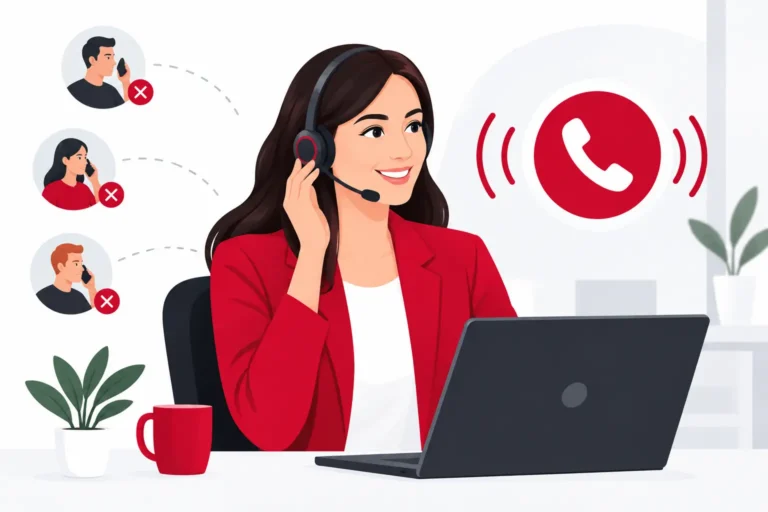
A customer with a leaking pipe, a legal question, or an urgent appointment need will not wait around for a voicemail callback. They will call the next business that answers. That is why hybrid answering trends matter to service-based businesses: phone coverage is no longer simply an administrative task. It is a direct part of lead capture, customer retention, and revenue protection.
The strongest shift is not toward replacing people with technology. It is toward using AI for speed and consistency, then bringing in a live professional when the conversation requires judgment, reassurance, or action. For businesses that cannot afford to miss calls but also cannot justify staffing a reception desk around the clock, that combination changes what dependable availability can look like.
What Is Driving Hybrid Answering Trends?
Customers expect an immediate response, whether they call at 10 a.m. on a Tuesday or 10 p.m. on a holiday weekend. For a plumbing company, a missed after-hours call may be an emergency job lost to a competitor. For a medical practice, it may be a patient who needs clear next steps. For a property management company, it may be a resident reporting a problem that cannot wait until morning.
At the same time, internal teams are stretched. Office staff must greet walk-ins, schedule appointments, process paperwork, support existing customers, and handle calls that need detailed attention. Asking the same employees to provide perfect phone coverage during breaks, busy periods, evenings, and weekends creates gaps. Those gaps are where leads disappear.
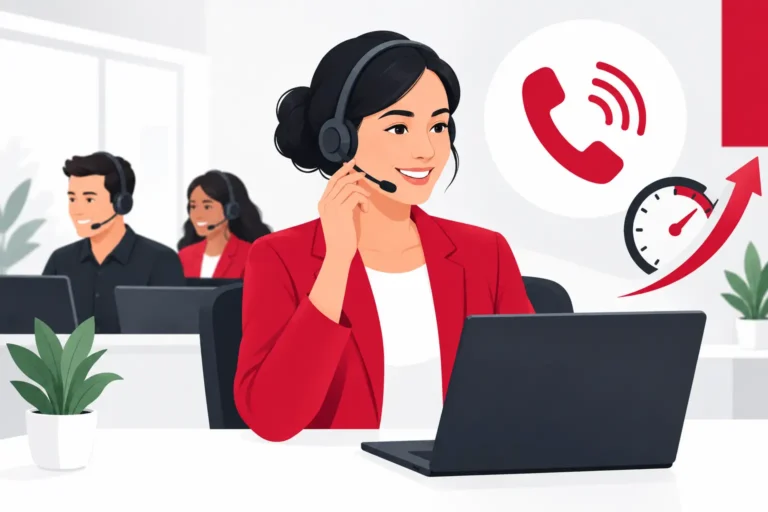
Hybrid answering models address both pressures. An AI receptionist can answer routine calls instantly, collect basic details, respond to common questions, and identify the caller’s intent. When a caller needs more than a simple response, the call can move to a live agent who has the context already gathered. The result is faster initial contact without forcing customers through an impersonal dead end.
The Move From Automation Alone to AI Plus People
Early automated phone systems often made callers work too hard. Long menus, repeated prompts, and generic responses may lower workload for a business, but they can also frustrate a person with an urgent issue. That is especially risky in industries where trust matters from the first conversation.
The more useful model is not AI versus a live answering service. It is AI handling the predictable parts of a call while live agents handle the moments that require a human touch. A caller asking for office hours may receive an immediate answer. A caller describing a complex legal matter, a billing concern, or a burst pipe should be able to reach someone who can listen, follow the appropriate script, and route the issue correctly.
This distinction matters because efficiency is not the same as deflection. Businesses should not measure phone automation only by how many calls it keeps away from people. They should measure whether callers receive the right level of support, whether qualified leads are captured, and whether urgent calls reach the right person quickly.
Context transfer is becoming a baseline expectation
One of the most frustrating customer experiences is repeating information after being transferred. Hybrid systems work best when the live agent receives the reason for the call, the caller’s details, and any information already collected by the AI.
That context allows the agent to pick up the conversation naturally: confirming the issue, answering the next question, scheduling an appointment, or escalating the request. It also helps businesses maintain a consistent front-office experience, even when calls are answered outside normal office hours.
For the caller, the handoff should feel like progress, not a restart. For the business, it means fewer incomplete messages and better information for follow-up.
Where Hybrid Answering Makes the Biggest Difference
Not every inbound call needs the same response. That is exactly why a blended approach is valuable. The technology can manage high-volume, straightforward interactions, while trained agents focus on calls where accuracy, empathy, and discretion have greater value.
Medical and dental offices may use a hybrid approach to provide location details, office hours, and appointment-request intake immediately, while routing sensitive questions or urgent concerns to a live agent according to established procedures. Law firms can capture prospective-client information after hours, then ensure nuanced matters are handled by a person rather than a rigid automated flow.
For HVAC, plumbing, electrical, and restoration companies, speed is often the deciding factor. AI can determine whether a caller needs emergency service, collect the address and problem description, and initiate the right next step. A live agent can then reassure the caller, clarify the job, and dispatch or relay the information based on the company’s process.
Real estate and property management teams face a different version of the same challenge. Inquiries often arrive while agents are showing properties, meeting tenants, or working in the field. Hybrid coverage makes it easier to respond immediately, distinguish a sales inquiry from a maintenance request, and ensure each caller reaches the right path.
The Operational Benefits Are Bigger Than After-Hours Coverage
After-hours availability is a major reason businesses adopt answering support, but hybrid answering can strengthen the entire workday. When call volume spikes, internal staff do not have to choose between serving the person in front of them and answering a ringing phone. Routine calls can be handled promptly while the office team stays focused on work that requires their direct attention.
It also creates more consistency. Instead of relying on whoever happens to answer, a business can use approved call flows, lead qualification questions, escalation rules, and message formats. Consistency matters when multiple locations, rotating employees, or field-based teams are involved.
There is a cost consideration as well. Staffing an internal receptionist position for every hour a customer might call is rarely practical. A dedicated remote receptionist can provide a full-time extension of the front office, with rates starting at $7 per hour, while hybrid AI answering plans can be as low as $0.50 per minute for the right use case. The right choice depends on call complexity, volume, required coverage, and how frequently callers need a live conversation.
What Businesses Should Not Automate
The best hybrid answering strategies begin with clear boundaries. A business should identify which calls can be handled with reliable, approved information and which calls require human involvement from the start.
Generally, routine questions, basic intake, appointment requests, office directions, and simple status updates are good candidates for AI assistance. Emotional complaints, complicated service questions, sensitive personal circumstances, negotiation, and high-value sales inquiries may need a live agent sooner.
The line will vary by industry. A small home services company may want every emergency request sent to a person immediately. A multi-location dental group may want AI to handle scheduling intent first, then transfer calls involving treatment questions or patient concerns. The point is not to automate as much as possible. It is to design a call experience that protects the customer relationship while reducing avoidable delays.
Scripts still matter, even with smarter tools
AI and live agents both need clear guidance. Businesses should define how calls are greeted, which questions qualify a lead, where appointment requests go, what counts as an emergency, and who receives escalations. Without those decisions, even sophisticated call handling can create inconsistent results.
A good script is not a stiff paragraph read word for word. It is an operational guide that ensures key details are collected and callers receive accurate next steps. It should be reviewed regularly as services, staffing, hours, and priorities change.
How to Evaluate a Hybrid Answering Partner
Business owners should look past broad claims about AI and ask practical questions. Can callers reach a live agent when they need one? Does the handoff include the caller’s context? Can the service follow your intake process, escalation rules, and industry terminology? Is bilingual English and Spanish support available when your customers need it?
It also helps to understand how the provider handles busy periods, after-hours calls, and message delivery. A hybrid solution should make your operation easier to manage, not create a second inbox full of unclear notes. Look for a partner that treats every inbound call as a customer opportunity, not merely a transaction to close out.
OnCalla Solutions combines AI call handling with live-agent escalation so businesses can respond immediately while preserving access to professional human support. The model is designed for companies that need calls answered consistently, whether the caller needs a quick answer or a real conversation.
The Trend Is Toward Better Availability, Not Less Human Service
Hybrid answering trends will continue because customers want both speed and understanding. They want an answer now, but they also want to know that a real person is available when the situation is complicated, urgent, or personal.
For business leaders, the practical question is not whether AI belongs in the phone experience. It is where it can remove delay without lowering the quality of care. Build the call flow around that answer, and every ringing phone becomes a better chance to capture a lead, support a customer, and grow your business.