Phone Support That Turns Calls Into Opportunities
A call that reaches voicemail at 6:12 p.m. may be more than a missed message. It could be a homeowner with a burst pipe, a prospective patient trying to book an appointment, or a tenant reporting an urgent maintenance issue. For businesses where calls create appointments, cases, service jobs, and sales conversations, phone support is a direct part of revenue protection.
The issue is rarely that a team does not care about callers. Internal staff have customers in front of them, jobs to complete, paperwork to process, and lives outside the office. Yet callers do not always distinguish between a business that is busy and one that is unavailable. If they cannot reach someone promptly, many will call the next option.
Phone Support Is a Front-Line Business Function
Phone support is often treated as an administrative task: answer the line, take a message, return the call later. That approach overlooks what actually happens in a high-value inbound call. The caller is asking for access, reassurance, direction, or immediate help. Their experience begins before they ever meet a technician, attorney, property manager, or clinician.
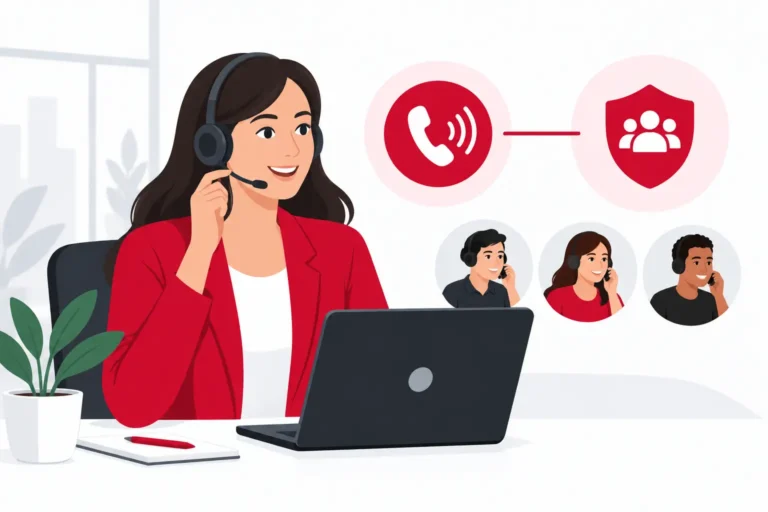
Strong coverage gives that first interaction a purpose. A trained representative can identify why the caller is reaching out, collect the right details, answer approved questions, schedule or route the next step, and make sure urgent matters reach the appropriate person. The goal is not simply to keep a phone ringing. It is to move legitimate opportunities forward while giving existing customers a dependable path to help.
For a plumbing company, that may mean capturing an after-hours emergency dispatch request. For a law firm, it may mean collecting intake information from a potential client without making legal promises. For a dental office, it may mean helping a patient request the earliest available appointment. Each call requires a different script, escalation process, and level of urgency.
The Cost of Unanswered Calls Is Often Hidden
Missed calls do not always appear as a clear line item on a profit-and-loss statement. A caller who hangs up may never leave a voicemail. A lead who reaches a competitor may never enter the CRM. A frustrated resident may not explain why they chose another property management company at renewal.
That makes the problem easy to underestimate. Business leaders may see a few missed-call notifications and assume the team will catch up later. But responsiveness is judged in the moment. A fast, professional response tells callers their time matters and that the business is organized enough to handle their needs.
The risk grows outside regular office hours. Many service requests happen when customers finally have time to deal with them: early mornings, lunch breaks, evenings, weekends, and holidays. Home-service emergencies do not follow schedules. Real estate prospects often call while viewing listings after work. A medical or dental patient may need guidance when the office is closed.
Twenty-four-hour coverage is not necessary for every business in the same way. A company with low call volume and no urgent use cases may only need overflow coverage during peak periods. But businesses that depend on time-sensitive inquiries should examine when calls arrive, how quickly they are returned, and how often potential customers fail to reconnect.
What Effective Phone Support Should Accomplish
The best call handling is built around the caller’s next step, not a generic script. Representatives need enough business context to sound prepared, while also knowing the boundaries of what they can say and do.
For most organizations, effective phone support should accomplish four things:
- Answer promptly with a professional, consistent greeting.
- Capture accurate contact details, the reason for the call, and any time-sensitive information.
- Qualify and route sales inquiries, customer requests, and urgent issues according to clear rules.
- Document the interaction so the internal team has context when it follows up.
Those basics sound simple, but execution matters. If an agent gathers only a name and callback number from a homeowner with no heat, the service team may have to start the conversation again. If a legal intake call is routed without the relevant case details, valuable time is lost. If a property manager receives an incomplete maintenance message, the resident may need to call twice.
A useful call-handling process reduces repetition. It gives the employee, dispatcher, or sales representative the information needed to take action without forcing the caller to retell their story.
Consistency Builds Trust at Scale
Consistency is especially valuable for multi-location businesses and growing teams. Different employees may have different communication styles, varying availability, or different ideas about what qualifies as urgent. Without a shared process, callers can receive very different experiences depending on who happens to answer.
An outsourced receptionist or answering service can provide a standardized front-office layer across locations and hours. The service should work from customized call flows that reflect the business’s terminology, scheduling preferences, escalation contacts, and policies. That is how external coverage becomes an extension of the business rather than a detached message-taking function.
Live Agents, AI, and the Right Mix
There is no single best model for every call. Routine requests can benefit from fast automated handling, especially when callers need basic information or a simple next step. More complex, emotional, or urgent conversations often require a trained live agent who can listen, clarify, and respond with judgment.
A hybrid model can serve both needs. An AI receptionist can handle routine calls instantly and collect initial details, then transfer the conversation to a live agent when a caller needs human assistance. The handoff should preserve the information already provided so the caller does not have to begin again.
This approach is particularly practical for businesses with fluctuating call volume. Automation can help provide immediate access, while live support remains available for nuanced conversations, scheduling changes, escalations, and callers who simply prefer to speak with a person. AI should support the customer experience, not leave customers stranded in a loop.
The right choice depends on call types, industry requirements, service hours, and how much judgment each interaction requires. A contractor taking emergency calls may prioritize live escalation. A growing office with frequent routine inquiries may benefit from a hybrid setup. In either case, the standard should be the same: callers receive a clear, useful response without unnecessary delay.
Questions to Ask Before Outsourcing Call Coverage
Before choosing a phone support provider, define what a successful call looks like for your business. Is the priority booking appointments, screening leads, dispatching urgent requests, handling overflow, or covering every hour when the office is closed? Clear goals make it easier to build a call flow that supports operations rather than creating more follow-up work.
Ask how agents are trained on your business and whether scripts can account for industry-specific language. Medical offices, law firms, HVAC contractors, and property managers all need different intake questions and escalation paths. Also ask how messages are delivered, how urgent calls are handled, whether English and Spanish coverage is available, and how the provider protects the continuity of the caller experience.
Pricing deserves context as well. The lowest rate is not always the lowest operational cost if agents cannot capture the details your team needs. On the other hand, hiring enough in-house staff to cover nights, weekends, breaks, and high-volume periods can be difficult to justify. The right arrangement should give your business coverage that matches real demand.
OnCalla Solutions provides nationwide live answering coverage with dedicated agents starting at $7 per hour, plus hybrid AI answering options for routine call handling and live-agent escalation. The objective is practical: give callers a reliable way to reach your business when your internal team cannot answer.
Make Every Caller Feel Expected
A caller does not need a long conversation to form an opinion of your business. They need to know they reached the right place, that someone understood their request, and that a next step is underway. That experience can protect a hard-won lead, calm an existing customer, and give your team better information to act on.
The phone may be one of the oldest channels your business uses, but it remains one of the most immediate. Treat it like the front door it is. When customers can reach a helpful person at the moment they need you, your business stays open to opportunity even when the office is not.