After Hours Answering Service That Saves Leads
The call that comes in at 7:18 p.m. is rarely just a call. It may be a homeowner with an urgent repair, a patient seeking an appointment, a buyer ready to request a quote, or a customer who needs help before choosing a competitor. An after hours answering service makes sure that opportunity reaches a live, professional representative instead of a voicemail greeting.
For many businesses, unanswered calls are an invisible revenue leak. Your team may be excellent during business hours, but customers do not limit their questions, needs, or buying decisions to the time your office is staffed. Reliable after-hours coverage protects the work you have already done to generate every inquiry.
Why missed calls cost more than one sale
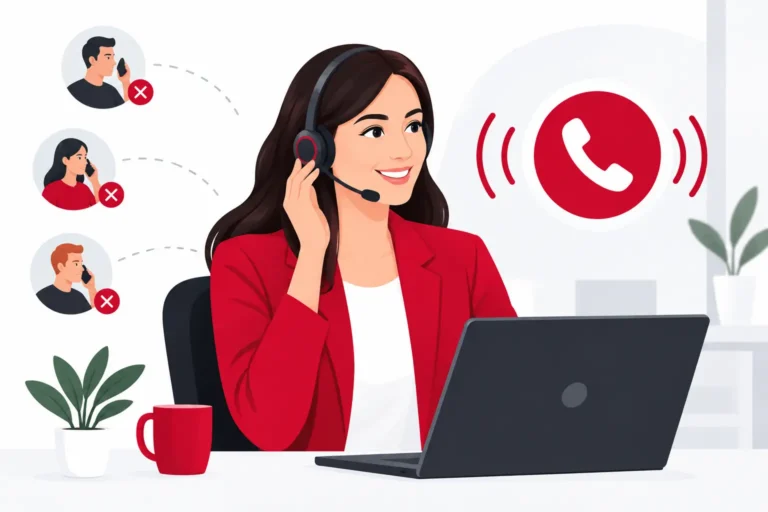
When a caller reaches voicemail, the immediate loss is obvious: they may hang up and call someone else. The longer-term cost is often larger. A caller who feels ignored can decide your business is difficult to reach, even if your team returns the message first thing the next morning.
This matters most for service businesses where timing influences the purchase. A plumbing prospect with a leak, a legal client facing an urgent issue, or a property manager with a maintenance problem may not wait until 9 a.m. The business that answers first has the advantage of being helpful at the precise moment the customer needs support.
Even when the request is not urgent, a live response builds confidence. It tells customers that your company is organized, accessible, and ready to help. That first impression can improve conversion before a salesperson or office manager ever joins the conversation.
What an after hours answering service should do
The right service does more than take a name and phone number. It should operate as an informed extension of your front office, using your preferred greeting, call scripts, escalation rules, and lead-capture process. Callers should feel they have reached your business, not a disconnected third party.
A capable after hours answering service can handle several essential jobs:
- Answer inbound calls promptly with a professional, customized greeting.
- Capture complete caller details, including the service needed, location, urgency, and preferred callback time.
- Qualify sales leads based on the questions that matter to your team.
- Route urgent calls or messages to the right on-call employee according to your instructions.
- Provide basic customer support, appointment information, or next-step guidance.
The details depend on your industry. A medical office may need careful message handling and appointment requests. A contractor may need job location, issue type, and availability. A law office may want an intake process that identifies the practice area and urgency without providing legal advice. The point is not to force every business into the same script. It is to create a consistent process that turns calls into usable information and timely action.
Live coverage gives sales teams a better starting point
Sales teams should spend their time speaking with qualified prospects, preparing estimates, and closing business. They should not start each morning sorting through incomplete voicemails and trying to determine which inquiries deserve the fastest response.
With trained agents gathering the right information overnight, your team can begin the day with clearer next steps. Instead of a message that says, “Call me back,” they can receive the caller’s name, contact details, reason for calling, urgency, and relevant notes. That context shortens response time and gives your staff a more productive conversation.
This process also creates accountability. When every inquiry is documented, managers can see what is coming in after hours and determine whether certain call types require a faster response. Patterns may reveal demand in a new service area, recurring customer concerns, or peak call periods that justify additional staffing.
Who benefits most from after-hours phone coverage?
Any business that receives calls outside its normal schedule can benefit, but the value is especially clear when calls involve appointments, estimates, urgent service, or high-value customers. Home services, healthcare offices, legal practices, property management companies, auto businesses, insurance agencies, hospitality teams, and multi-location organizations commonly face this challenge.
Small and midsize businesses often feel the pressure most. Hiring internal staff for evenings, weekends, holidays, and overnight shifts is expensive and difficult to manage. Asking existing employees to monitor phones after their shifts can lead to burnout, inconsistent response times, and missed messages.
Outsourcing gives these businesses access to continuous live coverage without building a round-the-clock reception department. It can also help growing organizations maintain a professional customer experience while internal teams focus on service delivery, field work, and core operations.
The trade-off: not every call needs the same response
After-hours coverage should be deliberate. Sending every call to an owner or manager at all hours can create unnecessary interruptions. Sending no calls through can create customer frustration and lost revenue. The best approach separates truly urgent issues from calls that can be handled with a detailed message and a prompt follow-up.
Start by defining what counts as urgent. For a restoration company, water damage may require immediate escalation. For a dental office, severe pain or a post-procedure concern may require an on-call protocol. For a B2B company, an existing enterprise client may receive priority routing while a general inquiry is captured for the next business day.
Clear rules help agents respond consistently. They also help employees protect personal time because they know they will only be contacted when the situation meets a defined threshold.
How to set up coverage that reflects your business
A successful launch starts with the caller experience you want to provide. Decide how agents should introduce your company, what information they should collect, which questions they can answer, and where messages should go. Keep instructions practical. A short, focused call flow is usually more reliable than a complicated script full of exceptions.
Next, identify your escalation contacts and backup contacts. Include instructions for weekends, holidays, and situations when a primary contact does not respond. Test the process with a few sample scenarios before calls are live. A test call can quickly reveal whether the greeting sounds right, the intake questions are useful, and notifications reach the correct people.
Language coverage should also match your customers. Businesses serving Spanish-speaking communities may benefit from Spanish/English agents who can provide callers with a clear, welcoming experience. For US businesses, native English-speaking agents can also make a meaningful difference in clarity, tone, and customer confidence.
OnCalla Solutions provides 24/7 inbound call handling for businesses nationwide, with dedicated agent rates starting at $7 per hour. The goal is straightforward: help businesses capture leads, support customers, and remain reachable when their own teams are unavailable.
Measure whether the service is protecting revenue
Do not treat after-hours calls as an administrative detail. Review the volume and quality of calls, the types of requests coming in, the number of urgent escalations, and the leads that turn into appointments or sales. Those numbers show whether your coverage is aligned with real customer demand.
It is also worth asking your staff what they receive each morning. If messages lack key details, refine the intake questions. If too many nonurgent calls are being escalated, adjust the criteria. If a particular category of callers consistently needs immediate help, build a stronger response path for that situation.
The most effective after-hours operation improves over time. As your business adds locations, services, or customer segments, your call handling process should change with it.
A customer who calls after closing has already taken the step many businesses work hard to earn: they chose to contact you. Give that moment the attention it deserves, and your phone line can keep creating opportunities long after the office lights are off.