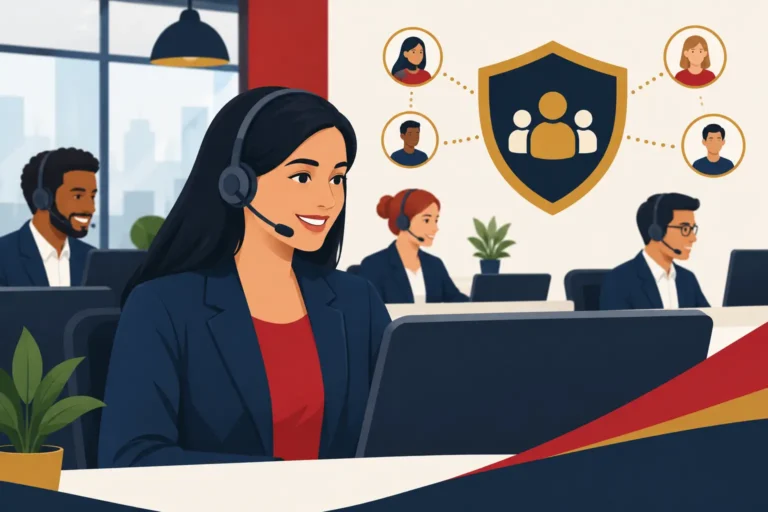
How a 24/7 Business Answering Service Wins Leads
A missed call is rarely just a missed call. It may be a homeowner ready to book an emergency repair, a new patient looking for an appointment, or a customer with a question that could determine whether they stay with your business. A 24/7 business answering service gives every caller a live, professional response when your internal team is busy, off the clock, or unavailable.
For businesses that depend on inbound calls, phone coverage is not simply an administrative task. It is a revenue-protection strategy. When callers reach a person instead of voicemail, your business has a better chance to capture the lead, set the next step, resolve the concern, and earn the customer’s confidence.
Why Unanswered Calls Cost More Than You Think
Most business owners know that calls matter. The real challenge is knowing how many opportunities disappear after hours, during lunch, while staff members are helping other customers, or when a receptionist calls out sick. The caller may not leave a voicemail. They may simply call the next company listed in their search results.
That risk is especially high for service businesses. A plumbing customer with a leak, a legal client with an urgent concern, or a property management tenant reporting a problem is looking for a timely response. Even businesses with less urgent sales cycles can lose ground when a prospective customer receives no answer and assumes the company is difficult to reach.
Voicemail has a role, but it is not a substitute for a helpful live conversation. Callers often want immediate reassurance that they have reached the right business and that someone will take action. A trained answering agent can provide that reassurance, collect the right information, and direct the call according to your instructions.
What a 24/7 Business Answering Service Does
A 24/7 business answering service acts as an extension of your front office. Rather than sending all calls to a generic message, live agents answer in a way that reflects your business, follows your call-handling preferences, and records or routes the information your team needs.
The service can handle a range of inbound needs. It can capture sales inquiries, take appointment requests, provide approved basic information, document service requests, screen calls, and transfer urgent matters to the appropriate on-call employee. The exact setup depends on how your business operates and what your callers need most.
For example, a medical office may want after-hours callers to receive a calm, clear explanation of next steps and an escalation path for urgent issues. A contractor may need agents to collect the service address, describe the problem, and alert the on-call technician. A growing professional services firm may prioritize qualifying new inquiries and scheduling consultations.
The goal is not to replace your team. It is to make sure your team receives better opportunities and better information when they are ready to act.
Lead Capture Starts With the First Conversation
A caller who reaches a live person is more likely to stay engaged. That first conversation should be polite, organized, and focused on moving the inquiry forward. Agents can gather the caller’s name, phone number, location, service need, preferred appointment time, and other details that help your sales or operations team respond quickly.
This is where call coverage becomes a growth tool. Instead of arriving the next morning to scattered voicemails with incomplete details, your team can receive documented leads that are ready for follow-up. Faster response times help your business compete, particularly when customers are contacting several providers.
After-Hours Coverage Protects Your Reputation
Your business hours may end at 5:00 p.m., but your customers’ needs do not always follow that schedule. A live answer after hours sends a clear message: your company is accessible and prepared.
That does not mean every call must be transferred to an employee at midnight. A strong call protocol separates routine requests from genuine emergencies. It gives agents clear instructions for each situation, so callers receive a consistent experience while your staff is only contacted when necessary.
This balance matters. Over-escalating every call can exhaust your on-call team. Under-escalating can frustrate customers or create operational risk. The right answering service setup is built around practical rules that match your business priorities.
When Your Business Needs Around-the-Clock Coverage
Not every company needs the same level of support, but several situations make continuous phone coverage a smart investment. If inbound calls regularly create appointments, estimates, orders, consultations, or service dispatches, missed calls are likely affecting revenue. If callers have urgent needs outside standard hours, live coverage can also protect customer relationships and reduce pressure on internal staff.
A 24/7 business answering service is especially valuable when your office has a small reception team, multiple locations, seasonal call spikes, or employees who cannot reliably answer phones while performing fieldwork. It can also provide continuity during staff vacations, sick days, meetings, and high-volume periods.
The question is not whether every call is equally valuable. It is whether your business can afford to leave high-intent callers without a response. For many companies, one saved customer or one additional booked job can make the service worthwhile.
What to Look for in an Answering Partner
The lowest advertised price does not always produce the best customer experience. Your callers are speaking with a representative of your business, which means quality, reliability, and communication should carry real weight in the decision.
Start by asking how calls will be answered and how closely the provider can follow your preferred scripts, escalation procedures, and message formats. A generic greeting may be acceptable for some businesses, while others need agents to use a company-specific greeting and understand several service lines.
You should also consider agent communication quality. Clear, native English-speaking agents can make a meaningful difference when callers are stressed, discussing detailed needs, or deciding whether to trust a new provider. For businesses serving diverse customer bases, access to Spanish-English agents can improve accessibility and help more callers get the assistance they need.
Reliability is equally important. You need coverage that remains available on weekends, holidays, evenings, and overnight hours, not a service that leaves gaps when call volume changes. Confirm how urgent calls are transferred, what happens if the primary contact does not respond, and how quickly your team receives messages.
Finally, choose a provider that understands the commercial purpose of the call. An answering service should do more than take a name and number. It should help protect leads, support customers, and give your team the information needed to act decisively.
Make Call Handling Part of Your Sales Process
The strongest results come from treating call coverage as part of your sales and customer-service operation. Give your answering partner clear answers to the questions callers ask most often. Define what qualifies as urgent, what information is required for each type of call, and where messages should go.
Review call reports regularly. Look for patterns such as frequent evening inquiries, missed appointment opportunities, recurring customer concerns, or geographic areas producing new demand. That information can improve staffing decisions, advertising, scheduling, and follow-up processes.
OnCalla Solutions provides nationwide, 24/7 inbound phone coverage designed to help businesses capture more opportunities without building an in-house round-the-clock reception team. With dedicated agent options starting at $7 per hour, businesses can add professional call capacity while keeping the focus on results: answer faster, capture leads, and grow with confidence.
Your next valuable caller may reach out when your office is closed, your staff is occupied, or your team is handling another customer. Make sure that caller reaches a person who can move the conversation forward.