Virtual Receptionist: Stop Losing Valuable Calls
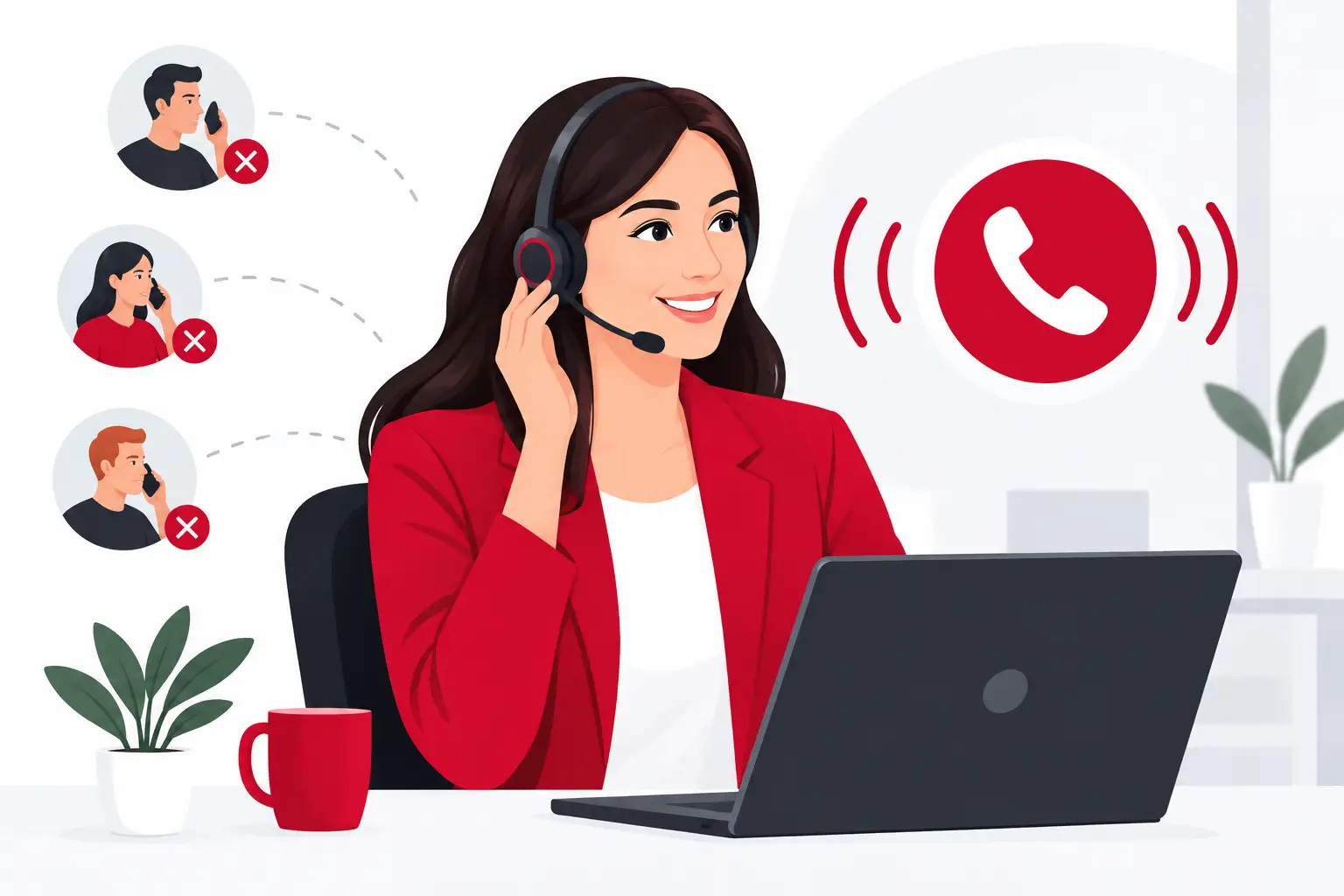
A ringing phone is often a customer ready to act. It may be a homeowner with a burst pipe, a patient trying to schedule care, a prospective client seeking legal help, or a tenant reporting an urgent issue. When no one answers, that caller rarely waits around. A virtual receptionist gives your business a professional first response when your internal team is busy, closed, or focused on serving the customers already in front of them.
For businesses that depend on inbound calls, phone coverage is not simply an administrative detail. It is part of lead capture, customer service, scheduling, and revenue protection. The right service helps ensure callers reach a knowledgeable, courteous representative at the moment they need help.
What a Virtual Receptionist Does
A virtual receptionist is an external receptionist who answers calls on your behalf using your business name, call script, and preferred procedures. Depending on your needs, the receptionist can take messages, qualify new leads, transfer urgent calls, schedule appointments, answer common questions, and route customers to the appropriate person or department.
The caller should not feel as if they have reached a disconnected answering desk. A well-managed service operates as an extension of your front office. Agents learn how you want calls handled, what information matters most, which inquiries are urgent, and when an on-call team member should be contacted.
That distinction matters. A basic voicemail captures information only after the caller has already experienced a dead end. A live receptionist keeps the conversation moving. For a dental office, that may mean collecting appointment details. For an HVAC company, it may mean identifying an after-hours emergency and alerting the right technician. For a law firm, it may mean recording the facts needed for a prompt intake follow-up.
Why Missed Calls Create Bigger Problems
Most organizations do not miss calls because they do not care about customers. They miss them because the day is full. Staff members are assisting walk-ins, working with patients, driving between job sites, handling sensitive conversations, or managing a high volume of requests at once.
The cost is not limited to one unanswered ring. A missed new-business call can become a competitor’s opportunity. A missed existing-customer call can create frustration, repeat follow-ups, or an avoidable escalation. After-hours gaps are especially costly for service businesses because customers often call when the need is immediate.
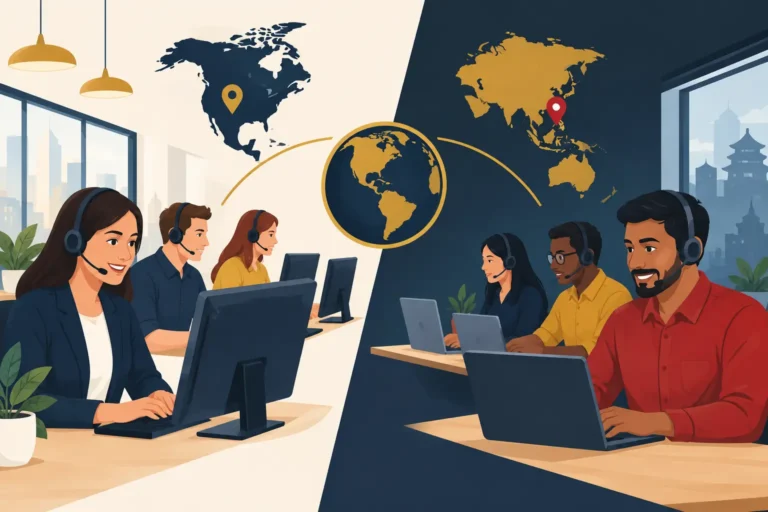
A virtual receptionist addresses this pressure without requiring a business to maintain an internal reception desk around the clock. Coverage can support regular office hours, overflow periods, evenings, weekends, holidays, or 24/7 operations. The right setup depends on when your customers call and what they need when they do.
For example, a property management company may need urgent maintenance requests separated from routine leasing inquiries. A real estate agency may want buyer and seller leads captured while agents are showing homes. A plumbing contractor may need every emergency call answered live, while less urgent requests can be scheduled for the next available opening.
The Business Benefits Go Beyond Answering the Phone
The immediate benefit is straightforward: callers get an answer. The operational benefit is more meaningful. Consistent call handling creates a dependable front door for your business, even when the internal team is stretched thin.
A properly configured receptionist service can help your organization capture complete lead details instead of vague voicemails, reduce interruptions for staff who need to focus, and create a clearer path for urgent requests. It also gives managers more control over how calls are handled across locations, shifts, and departments.
Professionalism matters as much as availability. Callers notice whether they are greeted promptly, whether the person answering understands the purpose of the call, and whether they receive a clear next step. That experience can shape their confidence in your company before they ever speak with a salesperson, technician, provider, or account manager.
There is also a staffing advantage. Hiring an in-house receptionist can be the right decision for some offices, particularly when the role includes substantial in-person responsibilities. But a single employee cannot cover breaks, sick days, vacations, peak call times, and every after-hours need. External reception coverage can fill those gaps or provide full-time remote support without building a round-the-clock internal schedule.
Choosing the Right Virtual Receptionist Setup
Not every business needs the same call flow. Before selecting a provider, define what a successful call should accomplish. Is the priority booking appointments, screening leads, dispatching urgent work, taking detailed messages, or providing status updates to existing customers?
Start with the questions your callers ask most often. Then identify the information your team needs before taking the next step. A home services company may need a service address, problem description, preferred appointment window, and emergency status. A medical or dental office may need to route appointment and non-clinical inquiries carefully while following appropriate privacy-focused procedures.
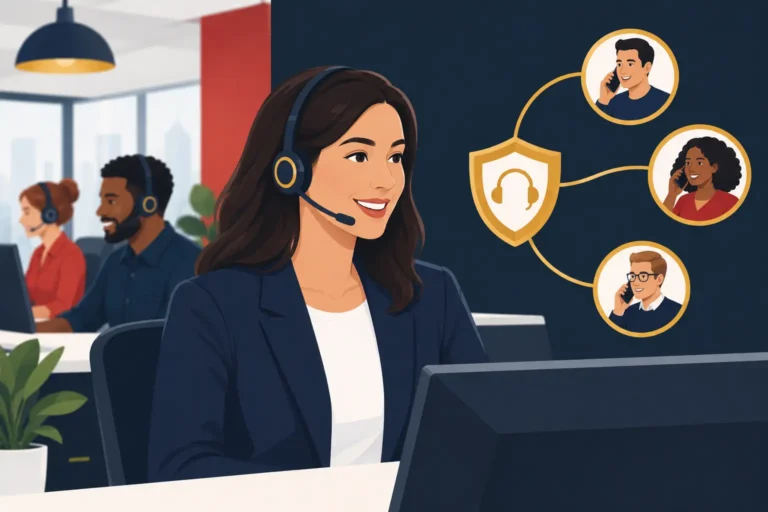
Next, decide which calls require immediate escalation. Some calls can be documented and returned during business hours. Others cannot. A leaking ceiling, a locked-out tenant, a distressed patient, or a high-value sales inquiry may need a live transfer or on-call notification. Clear escalation rules prevent agents from guessing and help your team respond with confidence.
Finally, review the service’s training process and reporting. Scripts should sound natural, not mechanical. Agents should understand your terminology, service area, hours, and preferred tone. Reporting should give you visibility into call volume, caller needs, missed opportunities, and recurring customer questions that may need attention inside the business.
Live Agents, AI, or a Hybrid Approach?
The best answer depends on the type and complexity of your calls. Live agents are especially valuable when callers need empathy, nuanced judgment, detailed intake, or reassurance during an urgent situation. They can adapt to unexpected questions and help callers feel heard rather than processed.
AI reception can be useful for routine, high-volume interactions that require an immediate response. It can gather basic information, handle straightforward requests, and help callers reach the correct path without wait time. But it should not leave customers stranded when their question becomes more complex or personal.
A hybrid model combines both strengths. AI handles routine calls instantly, then escalates to a live agent when a caller asks for a person or the situation calls for human judgment. Context from the initial conversation should travel with the call so the customer does not have to repeat everything. This approach can improve responsiveness while keeping a human option available when it matters most.
Making Your Call Coverage Work Harder
A virtual receptionist delivers better results when it is treated as part of your customer experience strategy, not as a generic overflow line. Review call scripts regularly. Share updates about new services, seasonal hours, promotions, staffing changes, and common customer concerns. The more current the instructions, the more accurately calls can be handled.
It also helps to establish ownership inside your organization. Someone should review messages, monitor lead follow-up, and adjust escalation procedures when patterns emerge. If callers repeatedly ask the same question or abandon a particular step in the scheduling process, that is useful operational insight, not just call-center data.
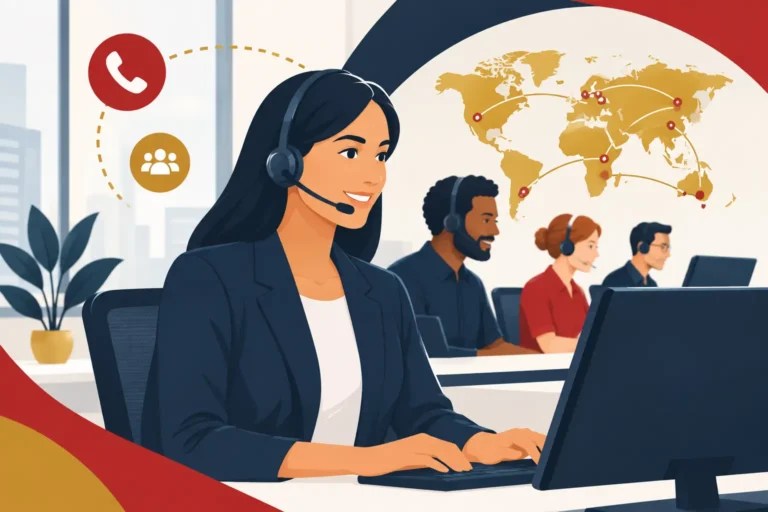
OnCalla Solutions provides 24/7 live answering support for businesses nationwide, with dedicated remote receptionist options starting at $7 per hour and bilingual English/Spanish agents available. The goal is practical: make sure customers can reach a professional representative, whether your team is in the office, in the field, or off the clock.
Every call does not carry the same urgency, but every caller deserves a clear response. Build a call-handling plan around the moments your business cannot afford to miss, and your phone line can become a more dependable source of service, trust, and new opportunity.