Best Business Call Coverage Options for Growth
A missed call is rarely just a missed call. For a plumbing company, it may be an emergency repair request that goes to the next number in a search result. For a law office, it can be a prospective client calling after work. For a property manager, it might be a tenant with an urgent issue. The best business call coverage options protect those moments by making sure a real response is available when your internal team cannot pick up.
The right choice depends on your call volume, the urgency of your callers, and what needs to happen after the phone is answered. Some businesses simply need messages taken after hours. Others need leads qualified, appointments scheduled, emergencies escalated, and customers helped in real time. The goal is the same: never leave a valuable caller wondering whether your business is available.
What Business Call Coverage Needs to Accomplish
Phone coverage is not just about answering quickly. It needs to move the caller toward the right next step while representing your business professionally. A caller with a sales inquiry should not receive the same response as someone reporting a service problem or asking about an existing appointment.
Before choosing a coverage model, look closely at where calls are being missed. Many businesses focus only on nights and weekends, then discover that calls are also slipping through during lunch, staff meetings, busy field-service hours, seasonal rushes, and unexpected absences. Coverage should close the gaps that affect your customer experience, not just cover a published closing time.
A useful solution should also provide clear call handling instructions. Your provider or team needs to know which calls are urgent, who should receive each type of message, what details to collect, and when to transfer a caller live. Without those decisions, even a well-answered call can create delay and confusion.
Best Business Call Coverage Options to Consider
In-house reception and shared team coverage
Having employees answer calls internally gives you direct control over the customer experience. Your people know the business, recognize repeat customers, and can often resolve routine questions immediately. This can work well for offices with steady hours, manageable call volume, and staff members who are consistently available.
The trade-off is that phone coverage competes with the work those employees were hired to do. A receptionist can be pulled into administrative tasks. A sales manager may be with a client. Technicians in the field cannot safely answer every call. Extending internal coverage into evenings, weekends, holidays, and overnight hours also adds scheduling complexity and labor cost.
This option is strongest when it is part of the plan, not the entire plan. Internal staff can handle high-context daytime calls while a dedicated backup protects the times when the office is busiest or closed.
Voicemail and callback systems
Voicemail is the lowest-cost coverage option and may be adequate for non-urgent communications. It gives callers a way to leave details and gives your team a record to return later.
But voicemail asks the customer to wait. That can be acceptable for a vendor request or a routine question. It is far less effective for a homeowner with a broken air conditioner, a customer trying to book a same-day appointment, or a prospect comparing several providers. The longer the callback window, the more likely the caller is to contact someone else.
If voicemail remains part of your process, set clear response-time ownership. Someone should be responsible for checking messages, returning calls, and making sure urgent issues do not sit unnoticed. Voicemail works best as a backup, not as the primary customer experience for high-value inbound calls.
Call forwarding to an owner or rotating on-call employee
Forwarding calls to a business owner, manager, or rotating employee is common in smaller service businesses. It provides a direct response without requiring a full reception team. For emergencies or specialized issues, it may also connect a caller to the person best equipped to help.
The drawback is consistency. Owners need time away from the phone. Employees may be driving, serving customers, sleeping, or unable to answer. A rotating on-call schedule can also create uneven experiences when team members have different communication styles or limited access to customer information.
Use call forwarding selectively. It is valuable for true escalation calls, but it should not force your key people to act as a 24/7 switchboard. A live coverage service can screen routine calls, gather the right details, and only escalate issues that require immediate attention.
Live answering service or outsourced call center
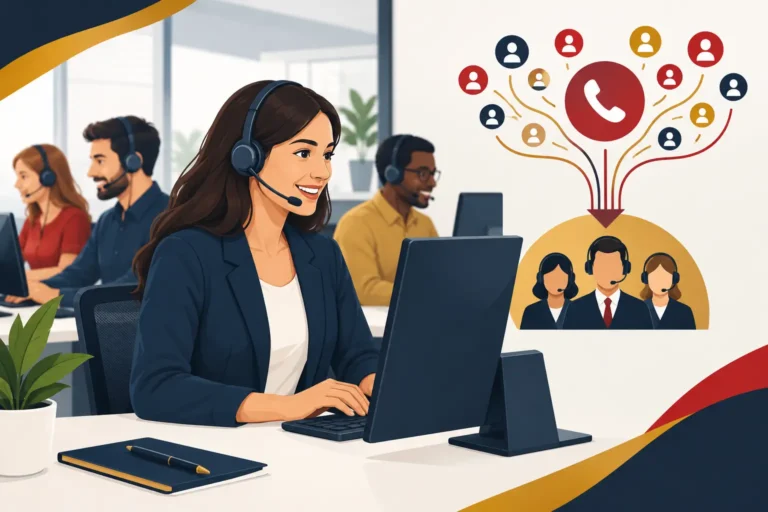
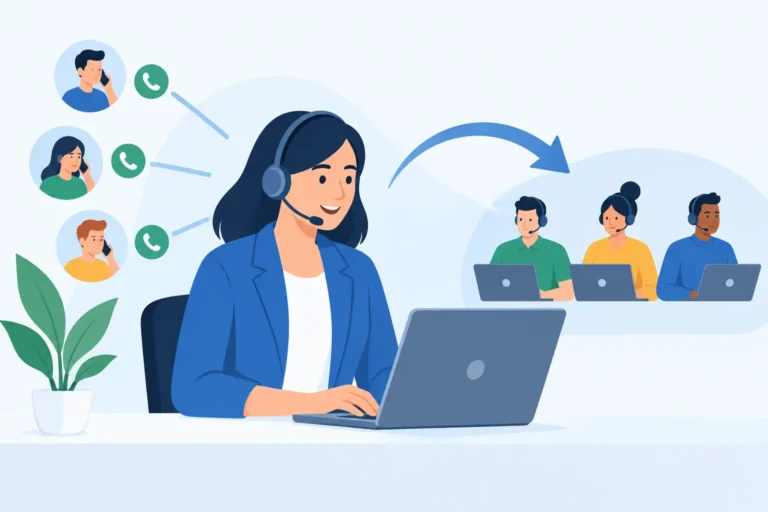
A live answering service puts trained agents between your callers and a missed opportunity. Agents answer in your business name, follow your scripts, capture lead details, route urgent matters, and send messages to the right people. Depending on the service setup, they can also support appointment requests, order inquiries, intake questions, and customer updates.
This is often the best fit for businesses where every call matters but staffing a round-the-clock front desk does not. It creates dependable coverage during after-hours periods, peak call times, weekends, holidays, and daytime overflow. It also gives customers the reassurance of speaking with a person instead of reaching a recording.
Quality matters here. Look for fluent English-speaking agents, customized scripts, industry familiarity, clear escalation procedures, and reporting that shows why people are calling. Bilingual English and Spanish coverage can be especially useful when it reflects the needs of your customer base.
OnCalla Solutions provides 24/7 live inbound coverage for businesses nationwide, functioning as an extension of the front office when internal teams are unavailable. This type of support is designed to capture leads and keep customer access open without requiring an in-house overnight or weekend reception staff.
Hybrid AI and live-agent coverage
A hybrid AI answering service can handle routine calls immediately, collect basic information, and direct common requests without putting callers on hold. When a caller needs judgment, reassurance, or help with a more complex issue, the conversation should escalate to a live agent with the context already collected.
This model is useful for businesses with frequent, predictable questions or high call volume outside office hours. It can provide fast first contact while preserving human support for callers who need it. The key word is hybrid. AI is effective for structured tasks, but it should not leave frustrated customers trapped in a loop or replace the live help needed for sensitive, urgent, or nuanced conversations.
For service businesses, legal offices, healthcare-related organizations, and property management teams, this combination can offer speed without sacrificing the human touch that builds trust.
How to Choose the Right Coverage Model
Start with the cost of being unavailable, not just the cost of coverage. Review a few weeks of call activity. Identify when calls arrive, how many go unanswered, which call types lead to revenue, and how quickly your team follows up. A pattern often becomes obvious: calls are concentrated during field work, after closing, or at times when front-office staff are helping walk-in customers.
Then decide what a successful call should produce. For some organizations, a complete message with name, number, and reason for calling is enough. For others, agents need to ask qualification questions, check service areas, schedule an estimate, dispatch an urgent request, or transfer a hot lead to a salesperson.
Your coverage provider should be able to work from a practical call-handling plan that includes:
- The greeting callers should hear and the tone that fits your business
- Questions agents should ask for leads, service requests, and support calls
- Which calls require immediate escalation and who receives them
- How messages should be delivered, including calls, texts, emails, or a portal
- Procedures for after-hours emergencies, appointments, and bilingual callers
Do not overlook training and adjustment. Your business changes with the season, new services, promotions, staffing changes, and customer feedback. The best coverage relationship gives you a way to update instructions quickly and refine scripts when you notice recurring call types.
Questions to Ask Before You Commit
Ask whether agents answer calls live 24/7 or only during selected hours. Confirm how quickly urgent calls are escalated, whether agents can follow custom scripts, and whether you can distinguish sales leads from existing-customer support in reporting.
You should also ask what happens during unusually busy periods. A coverage partner needs a plan for call spikes so your customers are not pushed back to voicemail when demand is highest. If your business serves Spanish-speaking customers, verify that bilingual coverage is available when needed.
Finally, consider the caller experience. Place a test call if possible. Is the greeting clear? Does the agent sound engaged? Can they collect information accurately and make the next step feel simple? Your coverage option becomes part of your brand every time the phone rings.
The best choice is the one that keeps your business reachable when opportunity is most likely to be lost. Build coverage around your real call patterns, give every caller a clear path forward, and let your internal team focus on the work only they can do.