Automated Phone Response Review for Growing Teams
A customer calling a plumbing company with a burst pipe, a law office after an arrest, or a dental practice with sudden pain is not looking for a menu maze. They want an answer, a next step, and confidence that the business can help. That is the standard an automated phone response review should measure – not simply whether a system picks up the line.
Automated phone coverage can reduce missed calls and provide immediate availability when your office is busy or closed. But the wrong setup can frustrate callers, misroute urgent requests, and leave valuable leads without a clear path forward. Before choosing a service, business owners need to look beyond features and assess what happens during the real moments that matter: a first-time sales inquiry, an after-hours emergency, a scheduling request, or a caller who needs a person right away.
What an Automated Phone Response Review Should Measure
The best phone response solution is not necessarily the one with the longest feature list. It is the one that makes your business easier to reach and easier to do business with. Start by testing the experience from the caller’s perspective.
Speed comes first. A caller should receive an immediate greeting rather than ringing into voicemail or waiting on hold. For many service businesses, the first company to respond has a meaningful advantage. Immediate response protects the opportunity to capture the caller’s name, contact information, location, and reason for calling before they move on.
Next, consider how naturally the system handles a conversation. Can it understand common questions, recognize the difference between a new lead and an existing customer, and guide the caller to a useful outcome? A rigid menu may work for simple routing, but callers often do not fit neatly into predefined options. Someone calling a property management office might report a maintenance issue, ask about a rental, or need help with an account. The response process should accommodate those differences without making the caller start over.
Finally, evaluate escalation. Automation is useful for routine requests, such as collecting appointment preferences, answering standard business-hour questions, or routing a call to the right department. It should not trap callers when the conversation becomes urgent, complex, emotional, or revenue-critical. A strong model brings in a live agent quickly, with the caller’s information and conversation context already available.
The Difference Between Automation and Real Coverage
Automated answering can be a practical part of a phone strategy, particularly for businesses that receive frequent, predictable questions. It provides consistent greetings, instant responses, and basic call handling at any hour. Yet automation alone is rarely the complete answer for businesses whose calls involve decisions, urgency, or personal service.
A prospective legal client may be hesitant to explain their situation to a system. A homeowner with no heat may not know whether their issue qualifies as an emergency. A patient may need reassurance before booking care. In these situations, a trained live representative can ask clarifying questions, follow your instructions, and provide the human judgment that keeps the conversation moving.
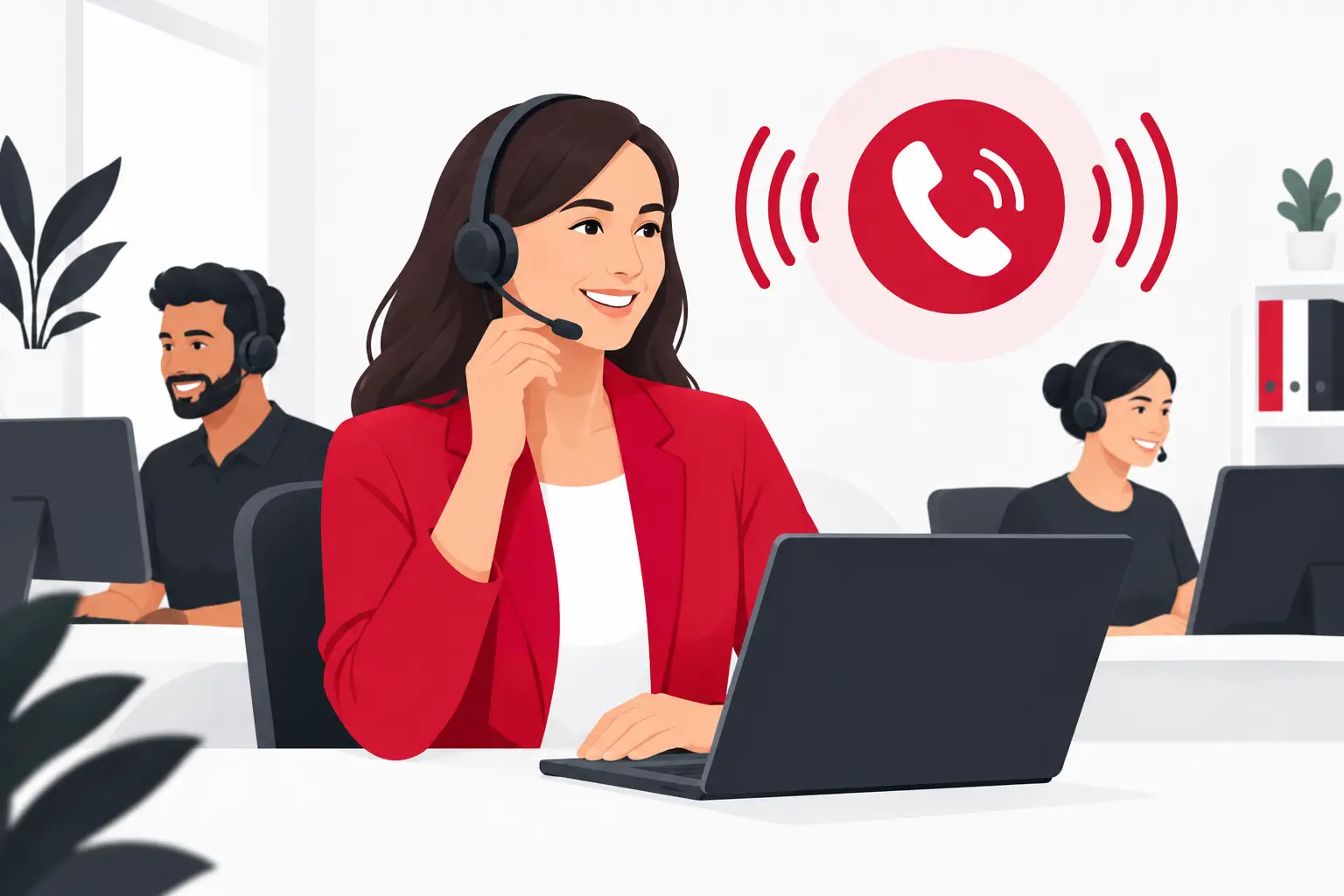
That is why hybrid coverage is often the more practical choice. AI can handle routine interactions immediately, while live agents step in when a caller requests help or the situation calls for a human touch. The handoff matters as much as the technology itself. If the caller must repeat every detail after being transferred, the experience feels disconnected. If the agent receives the context and continues the conversation without delay, your business remains responsive.
Questions to Ask During an Automated Phone Response Review
A provider demonstration should resemble the calls your office actually receives. Do not limit the review to a polished example of a caller asking for business hours. Ask for scenarios that expose how the service performs when the request is unclear, urgent, or outside the script.
For example, a medical or dental office may want to hear how the system handles appointment requests, cancellation calls, refill questions, and urgent symptoms. A home services business should test emergency dispatch rules, service-area questions, estimate requests, and after-hours lead capture. Law firms may focus on intake questions, conflict-screening procedures, confidentiality expectations, and the ability to route qualified prospects according to practice area.
Use these five questions to keep the evaluation focused on outcomes:
- How quickly does a caller receive a useful response, day and night?
- What information is collected from a new lead, and how is it delivered to your team?
- When and how can a caller reach a live agent?
- Can the service follow your scripts, scheduling rules, escalation instructions, and terminology?
- What happens when the system does not understand a request or the caller becomes frustrated?
The answers reveal whether the solution is designed for real business communication or merely basic call deflection. A service should make it easier for customers to reach you, not make them work harder to get help.
Review the Lead Capture Process Closely
Every inbound sales call needs an owner and a next action. A good automated response should do more than acknowledge a caller. It should collect accurate contact details, identify the service needed, determine urgency where appropriate, and route or send the information to the right person.
Ask how notifications are delivered and how quickly your team can respond. An HVAC company may need urgent calls escalated immediately while routine estimate requests can be sent by message for follow-up. A real estate agency may need to distinguish buyer inquiries from seller leads and rental questions. The workflow should reflect how your team works, not force your operation into a generic template.
Accuracy is especially important. A wrong phone number, incomplete address, or poorly categorized request can turn a promising inquiry into a lost opportunity. During your review, listen for how the solution confirms key details and handles unclear answers.
Consider the Caller Experience After Hours
After-hours coverage is where many phone strategies are tested. Customers do not stop calling when the office closes, and some of the most urgent calls happen outside regular business hours. Voicemail may be acceptable for a low-priority message, but it is a weak response for an emergency repair request, a time-sensitive legal matter, or a patient seeking care.
Your after-hours process should clearly define which calls receive immediate escalation, which are scheduled for the next business day, and what callers can expect. Consistency is critical. If callers hear one promise during business hours and a different message at night, trust can erode quickly.
For businesses serving English- and Spanish-speaking customers, bilingual availability may also be an important part of the review. The goal is not simply to answer more calls. It is to ensure callers can communicate their needs clearly and receive the appropriate next step.
How to Choose the Right Level of Human Support
The right balance of automation and live answering depends on call volume, industry, and the stakes of each conversation. A company with straightforward order-status calls may rely more heavily on automation. A practice that handles sensitive intake, complex scheduling, or urgent service needs will usually benefit from faster access to trained live representatives.
Look for a partner that can adjust with your business rather than lock you into one approach. You may need automated coverage for common questions, dedicated reception support during peak hours, or 24/7 live answering for every inbound call. As call patterns change, your phone coverage should be able to change with them.
OnCalla Solutions combines AI receptionist support for routine call handling with live-agent escalation when a caller needs a person. For businesses that need more consistent front-office capacity, dedicated remote receptionists are also available starting at $7 per hour. The point is not to remove people from customer communication. It is to make sure every caller reaches the right level of help without unnecessary delay.
A Better Standard for Phone Coverage
An automated phone response review should end with a straightforward question: if this were a high-value customer calling your business at 8:30 p.m., would the experience make them feel helped or dismissed? If the answer is uncertain, the system needs more than a better greeting.
Choose phone coverage that responds immediately, captures the details your team needs, and brings in a live professional when the conversation calls for it. Every call may not become a sale, but every caller should have a clear path to the next step.