Virtual Receptionist Service That Captures Every Call
A missed call is rarely just a missed call. For a plumbing company, it may be an emergency repair request. For a law office, it may be a prospective client ready to schedule a consultation. For a property manager, it may be a tenant with an urgent problem. A virtual receptionist service makes sure those callers reach a professional representative instead of a voicemail box, busy signal, or unanswered line.
For businesses that depend on inbound calls, phone coverage is a revenue-protection function. Customers call when they are ready to ask questions, book service, request a quote, or get help. If no one answers, many will simply call the next business on their list. Reliable coverage gives your company a better chance to capture the opportunity while the customer is still engaged.
What a Virtual Receptionist Service Does
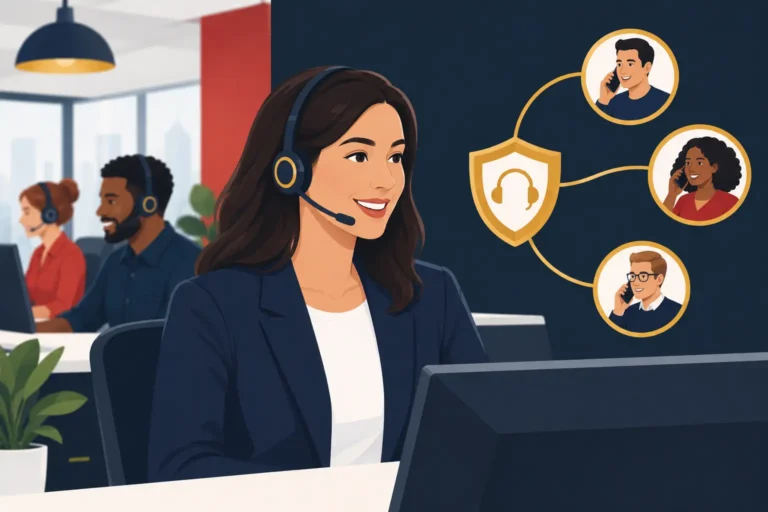
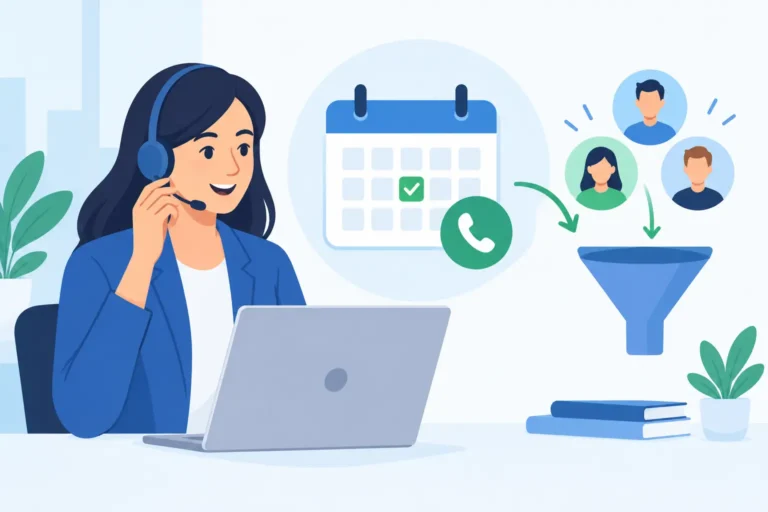
A virtual receptionist service provides trained representatives who answer calls under your business name and follow the instructions you set. They can greet callers professionally, collect contact information, qualify leads, schedule appointments, route urgent calls, take messages, and provide approved answers to common questions.
The right setup should feel like an extension of your front office, not a detached call center. Callers should receive a consistent experience whether they contact your business at 10 a.m., after closing, over the weekend, or during a holiday rush.
That consistency matters because callers do not separate your receptionist from the rest of your business. They judge the experience as a whole. A courteous, informed response builds confidence. An unanswered call creates doubt before your team has the chance to earn the customer’s business.
Why Live Phone Coverage Drives Better Business Outcomes
Many companies start looking for reception support because they are short-staffed. That is a valid reason, but the larger issue is often what happens to calls during coverage gaps. Internal teams have meetings, lunch breaks, customer appointments, field work, training, and time off. Even a capable office staff cannot be everywhere at once.
A live receptionist helps close those gaps. Instead of forcing employees to choose between serving the person in front of them and answering a ringing phone, your business can give both customers prompt attention.
For service businesses, speed is especially important. A homeowner with no heat, a driver needing roadside help, or a buyer trying to schedule a showing is usually looking for an immediate response. The company that answers first is often the company that gets the next conversation.
A virtual receptionist can also improve the quality of follow-up. Rather than receiving an incomplete voicemail, your team can receive a structured message with the caller’s name, phone number, service need, location, and urgency. That gives sales and operations staff the context they need to respond effectively.
Where Missed Calls Usually Happen
Missed calls do not only happen after 5 p.m. They often occur during the busiest moments of the day, when employees are already helping customers, processing orders, or working in the field. They also happen when a receptionist is sick, on vacation, or handling multiple calls at once.
After-hours coverage is another common pressure point. Customers may call outside standard office hours because that is when they finally have time to research a provider. Others are dealing with a time-sensitive issue that cannot wait until morning. Voicemail may capture a number, but it does not answer the caller’s immediate question or reassure them that help is available.
This is why 24/7 support is not just a convenience for certain businesses. It is a way to maintain access when demand does not follow a predictable schedule. Healthcare practices, legal offices, home service companies, automotive businesses, and property management teams all have situations where a live response can make a meaningful difference.
What to Expect From a Virtual Receptionist Service
The most effective programs begin with a clear call plan. Your provider should learn how your business wants calls answered, which details need to be collected, what qualifies as an urgent call, and who should receive escalations. The script should sound natural while keeping agents on track.
For example, a contractor may want new estimate requests routed to a sales coordinator, while existing customers with active service issues may need a faster escalation path. A legal practice may require agents to gather basic intake details without offering legal advice. A medical office may need appointment support and carefully defined procedures for sensitive caller information.
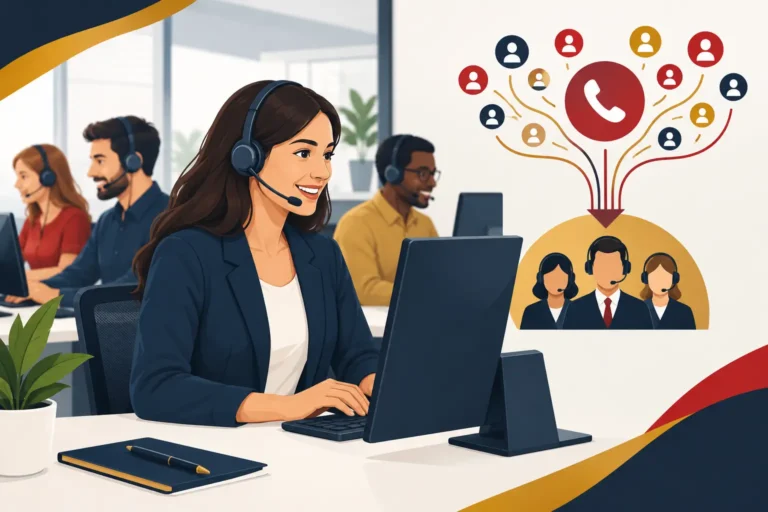
The service should also adapt to your operating model. Some businesses need overflow coverage only when their in-house team is busy. Others need evenings, weekends, and holidays covered. Multi-location organizations may need calls routed by region, department, or service type. There is no single configuration that fits every business.
Look for a provider that can support more than message taking. Capturing a caller’s information is useful, but qualifying the lead, answering routine questions, scheduling the next step, and escalating urgent matters can create a stronger customer experience. The goal is not simply to answer the phone. It is to move each call to the right outcome.
Live Agents, AI, or a Hybrid Model?
Businesses do not have to choose between modern technology and a human customer experience. A hybrid model can use AI to respond instantly to routine calls, gather basic information, and handle straightforward requests. When a caller needs help from a person, the call can be escalated to a live agent with the context already collected.
This approach can be useful for businesses with high call volume, repetitive questions, or a need for immediate first response. It can reduce unnecessary wait time while preserving the human judgment needed for sensitive, complicated, or high-value conversations.
Still, technology should fit the nature of your calls. If your callers frequently need empathy, detailed explanations, nuanced scheduling, or urgent problem resolution, live-agent involvement should remain central. The best approach depends on what customers are calling about and what they expect when they reach your business.
How to Choose the Right Provider
When evaluating a virtual receptionist service, focus on operational fit rather than a generic list of features. Ask how agents are trained on your business, how calls are routed, and what happens when an urgent situation arises. Review the information agents will collect and how quickly your team receives it.
You should also consider availability, language needs, and scalability. If calls come in around the clock, make sure coverage truly includes nights, weekends, and holidays. If your customers speak Spanish, bilingual English and Spanish support can help your business remain accessible. If your demand changes seasonally, the provider should be able to support higher volume without disrupting the caller experience.
Quality assurance matters as much as coverage. A provider should have clear processes for following scripts, handling messages accurately, protecting caller information, and adjusting the call flow as your business changes. You should be able to refine instructions as you learn what callers need most.
OnCalla Solutions provides nationwide 24/7 inbound phone coverage with trained live agents who can support lead capture, appointment requests, customer communications, and after-hours call handling. For businesses that need fast initial response alongside human backup, its AI Answering Service combines instant AI handling with escalation to a live agent when the call requires it.
Turn Every Inbound Call Into a Better Next Step
A virtual receptionist service does not replace the expertise of your sales team, office manager, dispatcher, or field staff. It gives them a stronger starting point. When calls are answered consistently, employees can spend less time chasing voicemails and more time responding to qualified prospects and active customers.
The operational benefits add up: fewer interruptions for internal teams, clearer lead details, better after-hours access, and a more dependable first impression. Just as importantly, customers know they can reach a real business representative when they need help.
Start by reviewing a week of missed calls, abandoned calls, and voicemails. Look at when they occur, what those callers needed, and which opportunities may have gone elsewhere. That record will show you where better phone coverage can begin protecting the business you have already worked hard to generate.