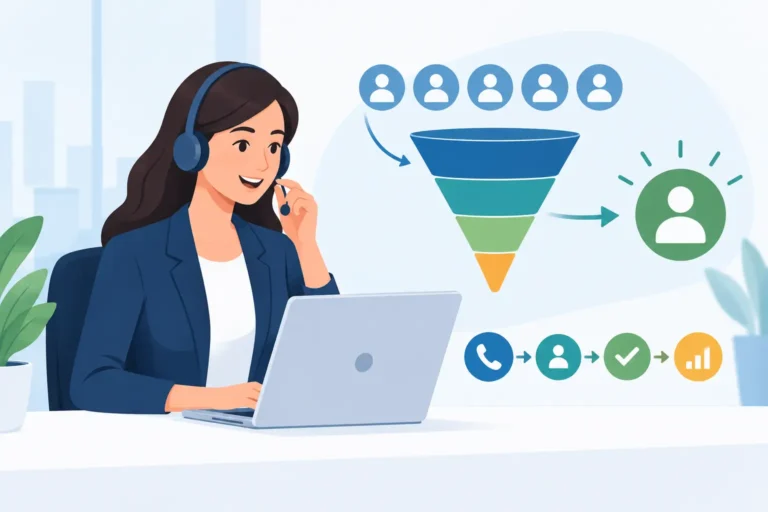
Inbound Call Center Coverage That Protects Leads
A homeowner calls a plumbing company at 8:40 p.m. with a burst pipe. A prospective client calls a law office during lunch. A tenant calls a property manager before the office opens. In each case, an inbound call center can be the difference between a captured opportunity and a caller who moves on to the next business.
For service-driven businesses, the phone is not simply an administrative channel. It is where urgent needs, appointment requests, sales inquiries, and customer concerns arrive. When no one answers, the cost can be much larger than one missed call.
What an Inbound Call Center Does
An inbound call center handles incoming calls on a business’s behalf. Depending on the service setup, agents can answer questions, take detailed messages, qualify leads, schedule appointments, route urgent calls, and provide basic customer support.
The best programs function as an extension of your front office. Callers should reach a professional representative who understands your business name, follows your instructions, and knows what to do next. That requires more than having someone pick up the phone. It requires clear call flows, well-built scripts, escalation rules, and a team that can communicate calmly when the caller’s situation is urgent.
For many businesses, coverage matters most outside normal office hours. A roofing contractor may receive storm-related calls in the evening. A medical practice may need patients to reach a live representative after the front desk closes. A real estate team may get a showing request while agents are with other clients. Consistent phone coverage keeps these conversations moving instead of leaving callers at voicemail.
Why Missed Calls Create a Bigger Business Problem
A missed call can mean a lost lead, but it can also signal something more serious to the customer. When someone needs immediate help, voicemail can feel like uncertainty. They may not know when they will hear back, whether their message was received, or whether your business is available to help.
That uncertainty is especially costly in competitive, time-sensitive industries. Customers calling an HVAC company on a hot afternoon, an auto shop after a breakdown, or an electrical contractor with a safety concern are often looking for the first capable business that responds.
Even non-urgent calls matter. Existing customers may call to confirm an appointment, ask about a bill, request service, or report a problem. If those calls pile up while your internal team is busy, service quality can suffer and staff may spend the next morning catching up on messages instead of serving customers.
An outsourced call center helps relieve that pressure by creating a dependable first response. Your team can stay focused on field work, appointments, sales meetings, and complex customer needs while calls are answered according to your process.
Inbound Call Center Coverage Is Not One-Size-Fits-All
The right coverage model depends on why people call and what they need from the first conversation. A professional services firm may primarily need lead intake and appointment requests. A home services company may need urgent-call triage, service-area screening, and on-call dispatch. A multi-location business may need calls routed to the correct office based on the caller’s location.
Before selecting a provider, identify the calls your team cannot afford to miss. Review call patterns by time of day, common reasons for calling, and what information your staff needs before taking over. This gives the call center a practical foundation for building scripts and routing instructions.
A useful call plan answers a few basic questions: Who should receive urgent calls? Which service areas do you cover? What details should be collected from a new lead? When should an appointment be requested rather than scheduled? What should happen if a caller needs Spanish-language support?
The answers do not need to be complicated, but they must be specific. A vague instruction such as take a message produces vague results. A structured intake process gives your team the information needed to respond quickly and appropriately.
What Callers Expect From a Live Answering Team
Customers rarely think about your staffing model when they call. They judge the experience by whether someone answers, listens, and gives them a clear next step. That is why agent quality and preparation matter.
A strong inbound call experience starts with a prompt, professional greeting that reflects your business. Agents should be able to listen without rushing the caller, ask relevant questions, and accurately document the details. They also need to recognize when a situation should be escalated immediately rather than handled as a routine message.
For specialized businesses, industry familiarity adds value. Legal intake calls require careful collection of key facts. Healthcare-related calls require discretion and established protocols. Property management calls may need different responses for maintenance emergencies, leasing inquiries, and resident concerns. The goal is not to make agents act as your internal experts. It is to ensure they can guide the conversation and get the right information to the right person.
Bilingual English and Spanish support can also make your business more accessible to the customers and communities you serve. If this is a meaningful portion of your inbound demand, it should be built into the service plan rather than treated as an afterthought.
Live Agents, AI, or a Hybrid Approach?
Businesses do not have to choose between speed and human support. A hybrid model can use AI to handle routine calls immediately, then transfer the conversation to a live agent when the caller needs help, asks a more complex question, or has an urgent situation.
This approach can be useful for common requests such as hours, location details, basic service information, or initial call routing. The key is having a clear handoff. When the call reaches a live agent, the caller should not have to repeat every detail they already shared.
AI is not the right answer for every interaction. Sensitive conversations, nuanced sales inquiries, emotional callers, and urgent requests often benefit from a trained person who can listen, clarify, and respond with sound judgment. The strongest setup uses each option where it serves the caller best.
How to Measure Whether Your Coverage Is Working
Phone coverage should be managed as a business function, not treated as background administration. Review the information your call center collects and look for patterns that affect staffing, sales follow-up, and customer service.
Start with practical questions. How many calls arrive after hours? How many are new leads versus existing-customer requests? Are urgent calls reaching the right person? Are there recurring questions that your website, scheduling process, or internal team could address more clearly?
Lead quality is equally important. A high volume of messages is less useful if the details are incomplete or the follow-up process is slow. Set expectations for how quickly your team will return calls, who owns each lead, and how outcomes will be recorded. The call center captures the opportunity, but timely internal follow-up is what keeps it moving forward.
Choosing an Inbound Call Center Partner
Look beyond the basic promise of answering calls. Ask how agents are trained on your account, how scripts are updated, what happens during urgent situations, and whether the provider can support your hours as your needs change. You should also understand how messages are delivered and how quickly you can adjust routing instructions.
Experience across service industries can be valuable, but your account still needs individual attention. A provider should take time to understand your callers, your terminology, and the decisions agents are authorized to make.
OnCalla Solutions provides nationwide 24/7 coverage with fluent English-speaking agents, bilingual options, and hybrid AI plus live-agent support designed to help businesses capture leads and stay responsive when internal teams are unavailable.
The right inbound call center does more than prevent voicemail. It gives customers a reliable way to reach your business when their need is real, their question cannot wait, or they are ready to take the next step. Start by identifying the calls that matter most, then build coverage around the response your customers deserve.