AI vs Live Agents Customer Service for Business
A homeowner with a burst pipe at 10:30 p.m. is not comparing service technologies. They are calling the first plumbing company that answers, explains the next step, and gets help moving. That is the real business question behind ai vs live agents customer service: not which option sounds more advanced, but which one protects each inbound opportunity without making callers work harder.
For businesses that depend on calls to book appointments, capture leads, solve urgent issues, or reassure existing customers, the strongest answer is rarely AI alone or live coverage alone. It is a clear operating model that uses each where it performs best.
AI vs Live Agents Customer Service: The Real Difference
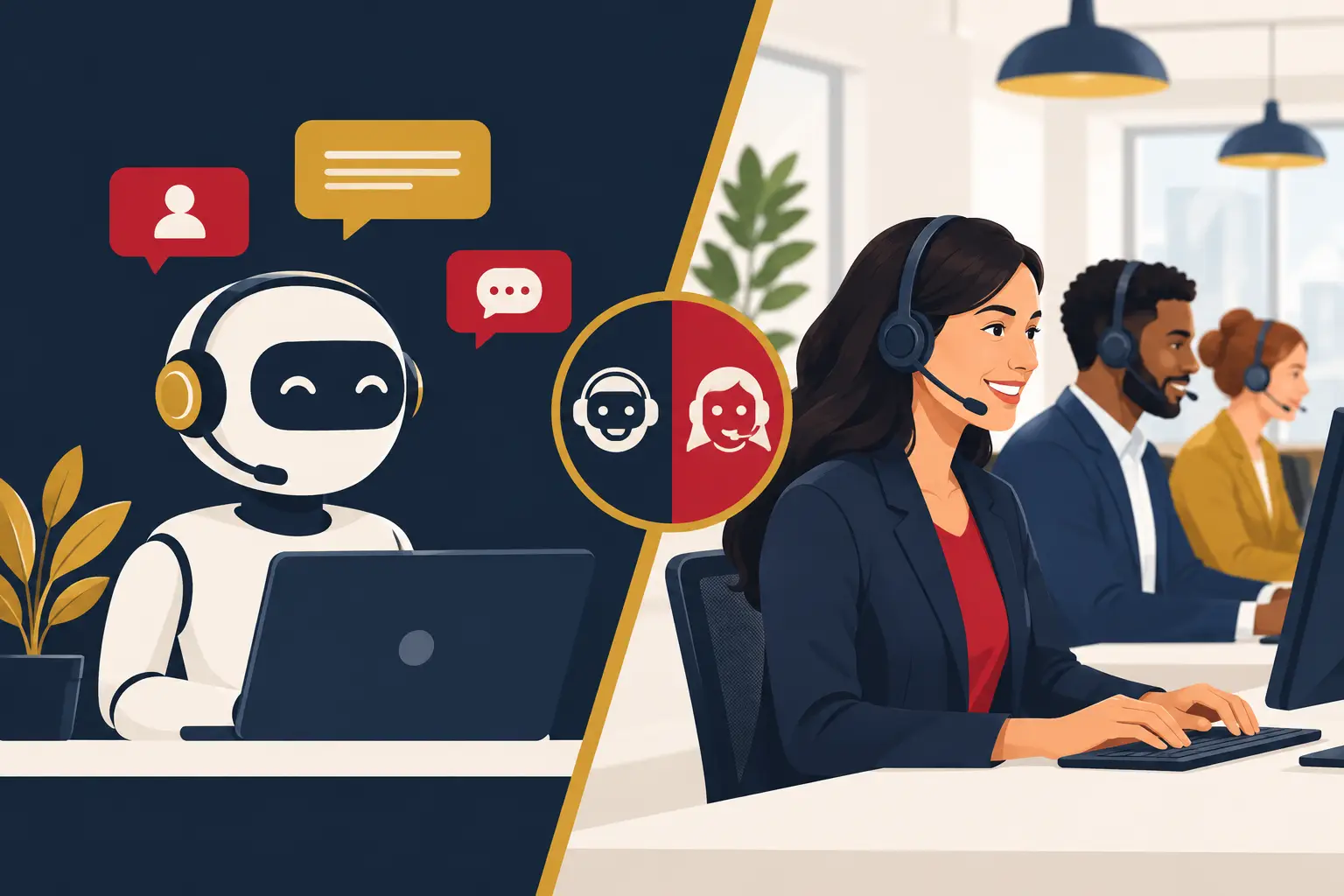
AI answering tools are built for speed and consistency. They can answer immediately, collect basic details, recognize common intents, provide approved information, schedule straightforward appointments, and route a caller to the right destination. Unlike a small internal team, they do not need a break, sleep, or get pulled into another task.
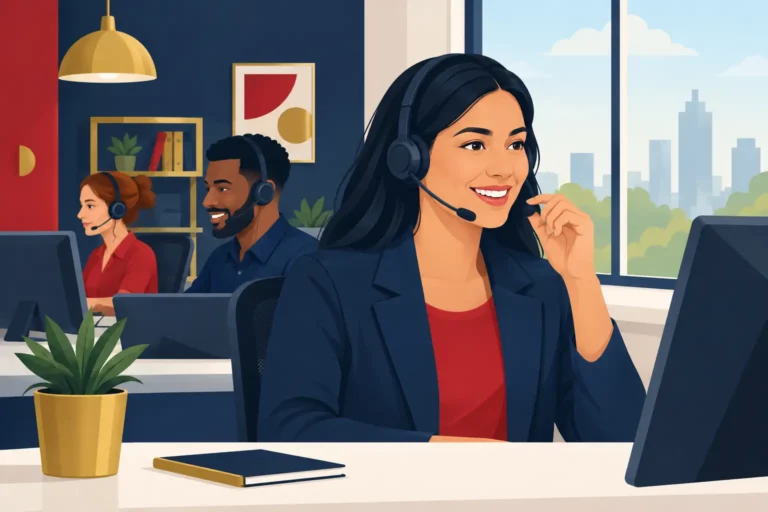
Live agents bring judgment, empathy, and adaptability. They can hear uncertainty in a caller’s voice, recognize when a situation is unusual, ask a better follow-up question, and adjust their approach without forcing the conversation into a pre-set path. When a customer is stressed, confused, frustrated, or ready to make a high-value purchase, that human judgment can make the difference between a productive call and a lost one.
The choice should follow the call, not the trend. A property management company may use AI to take maintenance details and identify an emergency. A live agent may be the better fit when a tenant is upset, a vendor needs access instructions, or a prospective owner wants to discuss management services. Both interactions matter, but they do not demand the same type of response.
Where AI Creates Immediate Value
AI is especially useful when callers need fast, repeatable help. It can handle routine questions about business hours, locations, service areas, appointment availability, order status, or basic intake. It can also capture caller information before a transfer, reducing the need for customers to repeat themselves.
That speed matters after hours. If a caller reaches voicemail, they may hang up and call another business before anyone has the chance to return the message. An AI answering layer gives them an immediate response and a clear next action, whether that means scheduling, sending an alert, or escalating the call.
For high call volumes, AI can also reduce pressure on a front office. Instead of having staff spend the morning returning basic calls and sorting routine requests, the team can focus on customers who need detailed support, sales follow-up, or specialized expertise.
Still, AI has limits. It works best when the questions are predictable, the information is current, and the workflow is well defined. If the setup is vague or outdated, callers can receive unhelpful answers quickly. Fast service only helps when it is accurate service.
AI is not a substitute for a recovery plan
A business should decide in advance what happens when the AI cannot confidently resolve a request. That escalation path is not a small technical detail. It is the part that prevents a routine call from becoming a poor customer experience.
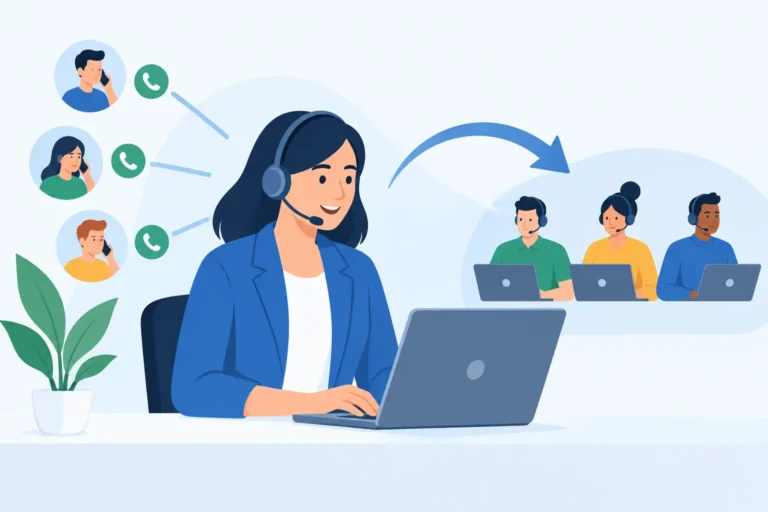
The best systems recognize their boundaries. They transfer urgent, emotional, complex, or high-intent conversations to a live person without creating a long hold or making the caller start over. Context from the initial interaction should move with the call, including the caller’s name, reason for calling, and relevant details already collected.
When Live Agents Are the Better Choice
Live agents are most valuable when the caller needs reassurance or when the stakes are higher. A legal intake call, a medical office concern, a real estate inquiry, or an emergency home service request often carries details that do not fit neatly into a short menu of options. The caller may not even know exactly what they need.
A trained agent can clarify the situation in real time. They can distinguish a sales inquiry from a service issue, determine whether a maintenance request is urgent, calmly handle an upset customer, and follow a client-specific script without sounding like they are reading from one. That is particularly valuable for service businesses where professionalism on the phone is part of the brand promise.
Live coverage also gives businesses more flexibility during exceptions. A customer may ask for a manager by name, need help rescheduling a complicated appointment, or raise an issue that requires sensitivity. A person can make a reasonable decision within defined guidelines and ensure the message reaches the right team member.
This does not mean every call requires a live agent from the first second. Using trained people for simple, repetitive tasks can be expensive and can leave them unavailable when a conversation genuinely needs their attention. The goal is to reserve human skill for the moments that benefit from it.
Cost, Coverage, and Caller Expectations
Cost matters, but the cheapest call-handling option is not always the least expensive outcome. A missed after-hours sales call, an unreturned emergency request, or a frustrated customer who cannot get a clear answer can cost more than the coverage itself. Business owners should look at the full operational picture: call volume, peak periods, missed-call patterns, lead value, and the workload placed on internal staff.
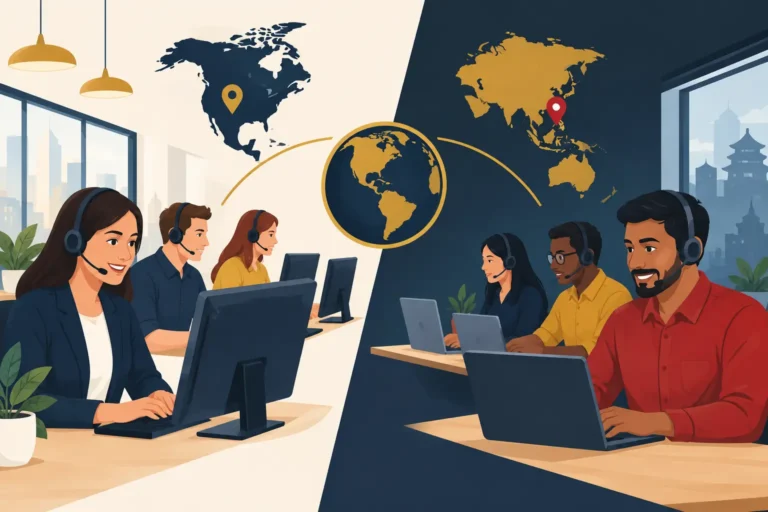
AI can make coverage more efficient for routine interactions. Live agents provide depth for conversations that demand care and judgment. A hybrid approach helps a business manage both without building an in-house team large enough to cover every hour of every day.
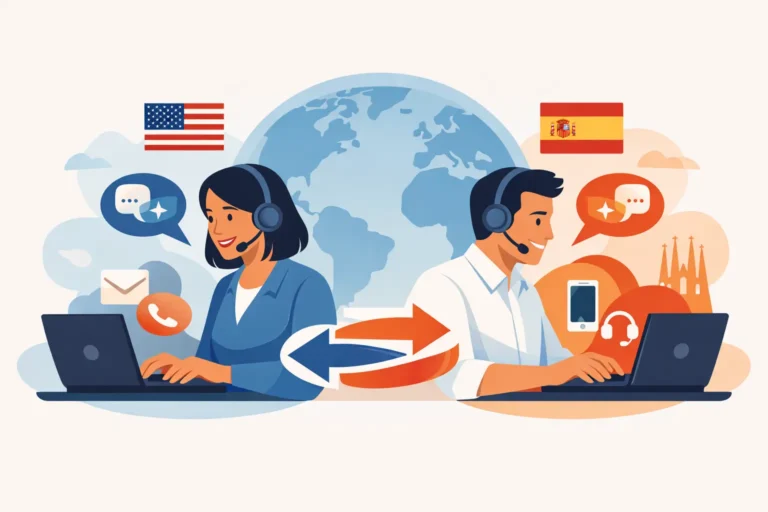
Caller expectations also vary by industry. Someone calling an HVAC company on a hot summer evening expects a quick path to help. A caller contacting a law office may expect discretion and a thoughtful intake process. A bilingual English and Spanish option may be essential for a business serving a diverse customer base. The right design should reflect what your callers actually need, rather than using the same call flow for every situation.
How a Hybrid Answering Model Protects More Calls
A hybrid model starts with immediate availability. AI handles straightforward requests and gathers the information needed to move the call forward. When the conversation becomes complex, urgent, or clearly human, a live agent takes over with the context already in hand.
This approach reduces friction for callers and helps teams stay focused. It also avoids the false choice between automation and personal service. You can use technology to answer fast while maintaining live support for the moments that shape trust, retention, and sales.
For example, an electrical contractor might use AI to identify whether the caller needs an estimate, an appointment change, or emergency service. A live agent can then handle a hazardous situation, a distressed homeowner, or a commercial prospect with multiple locations and scheduling requirements. The caller gets a response immediately, and the business gets the right level of attention on the right call.
OnCalla Solutions applies this model by combining an AI Answering Service for routine calls with live-agent escalation when a caller needs a human touch. The objective is practical: keep calls answered, information captured, and opportunities moving, including when your internal team is unavailable.
Questions to Ask Before You Choose
Before selecting AI, live coverage, or a hybrid model, review a representative sample of your calls. Identify which requests are repetitive, which calls create revenue opportunities, which situations are urgent, and where callers most often need clarification. A good answer to those questions will reveal where automation can help and where a live agent should stay involved.
Also examine your handoff process. If a call needs escalation, who receives it? How quickly can they respond? What details must be captured first? Clear instructions, current business information, and regular call review are just as important as the technology or staffing model you select.
The right phone coverage should make it easier for customers to reach you at the moment they are ready to act. When every call gets an immediate, professional path forward, your business has a better chance to earn the appointment, solve the issue, and keep the relationship.