Build a Lead Qualification Workflow That Converts
A prospect calls your office after hours, between appointments, or while your team is on another line. They are ready to ask a question, schedule service, or request a quote. If no one answers, that opportunity may move to the next business before morning. A strong lead qualification workflow prevents that gap by giving every caller a clear, professional next step.
For service businesses, law firms, medical offices, property managers, and real estate teams, lead qualification is not about turning every conversation into a sales interrogation. It is about quickly understanding why someone called, whether your business can help, how urgent the need is, and who should act next. Done well, it protects revenue while making callers feel heard.
Why Lead Qualification Starts With the First Ring
Many businesses focus on lead forms, advertising campaigns, and sales follow-up while overlooking the first point of contact: the phone call. That is a costly blind spot. A caller with a burst pipe, an urgent legal question, a vacant rental property, or a same-day dental concern is not likely to wait through a voicemail cycle.
The first person to answer sets the tone. They should be able to confirm the caller reached the right business, gather the information your team needs, and move the caller toward the right outcome. That may mean booking an appointment, dispatching an on-call technician, transferring a qualified prospect, or creating a complete callback request.
Speed matters, but accuracy matters too. An agent who schedules every caller without asking the right questions can create calendar confusion and send unqualified inquiries to busy sales staff. The goal is not more handoffs. The goal is the right handoff, with enough context for your team to respond confidently.
How to Build a Lead Qualification Workflow
Start by mapping what happens from the moment a new caller reaches your business through the moment an employee takes ownership. Keep the process simple enough to follow under pressure. If your front office, on-call staff, or answering service has to interpret a complicated decision tree on every call, details will be missed.
Define what a qualified lead means for your business
A qualified lead does not look the same in every industry. For an HVAC company, it may be a homeowner within the service area who needs repair or replacement help. For a law firm, it may be a prospective client with a matter the firm handles and a need for a consultation. For a property management company, it may be an owner seeking management services or a tenant reporting an urgent maintenance issue.
Write down the few details that separate a real opportunity from a general inquiry. Usually, this includes the caller’s name, phone number, location, service or matter needed, timeframe, and preferred next step. Your criteria should reflect how your team actually sells and serves customers, not a generic checklist copied from another business.
Be careful not to overqualify. Requiring too much information can make a live call feel like a form. If a caller needs immediate help, capture the essentials first and let the appropriate team member handle the deeper conversation.
Build a call script around useful questions
A script creates consistency, especially when calls arrive after hours or are handled by multiple people. It should guide the conversation without sounding rigid. Start with a warm greeting and an offer to help, then ask questions that naturally reveal the caller’s need.
For example, a plumbing caller may be asked whether water is actively leaking, where the property is located, and whether they are seeking emergency service. A real estate inquiry may call for the property address, buying or selling timeline, and preferred contact time. A medical office may need the caller’s reason for calling, whether the issue is urgent, and whether they are a new or existing patient.
Use plain language. Callers should never feel they are being screened out. The purpose is to identify the right path, not to make them prove they deserve help. For sensitive industries, keep scripts limited to the information necessary to route the call appropriately and follow your established privacy procedures.
Set clear routing rules
Every answer in your workflow should trigger an action. Without routing rules, qualified leads can sit in a shared inbox, get passed between departments, or wait until someone has time to sort through messages.
Decide in advance which calls should be transferred live, which should be scheduled, and which should be escalated to an on-call contact. A high-value sales inquiry may need a warm transfer during business hours. An emergency maintenance call may require immediate escalation any time of day. A routine question may be resolved with approved information and a scheduled callback.
Give your team a backup path for each situation. If the designated contact does not answer, the workflow should say who is next and when the caller should receive an update. A missed transfer should never become a missed lead.
Make follow-up ownership visible
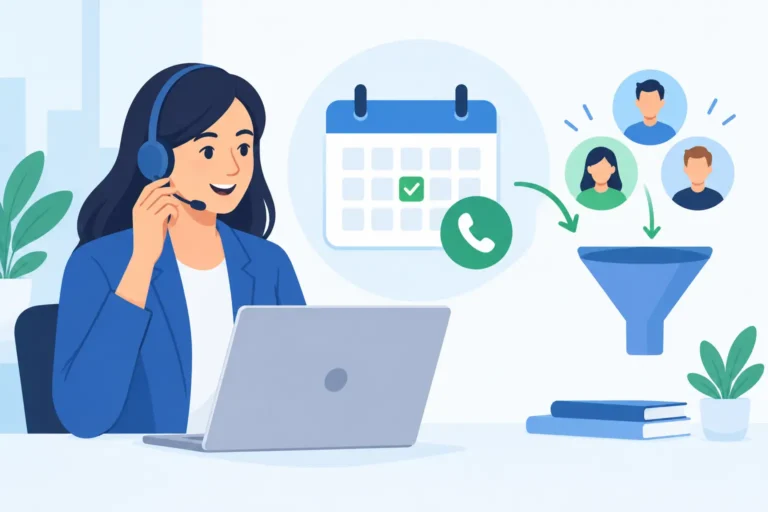
A complete message is useful only when someone owns it. Each qualified lead needs a named person, a response expectation, and a place where the outcome is recorded. This can be a CRM, scheduling platform, ticketing tool, or a shared process that your team reviews consistently.
The handoff should include more than a phone number. Provide the reason for the call, relevant qualifying details, urgency, and any appointment or promise already made. That context prevents the awkward experience of making callers repeat themselves and helps your employees begin the next conversation prepared.
Protect Leads Outside Business Hours
The workflow is most vulnerable when your in-house team is unavailable. Lunch breaks, field visits, weekends, holidays, and evening calls do not pause customer demand. For many local businesses, the calls that happen outside standard office hours are often the most urgent and the most motivated.
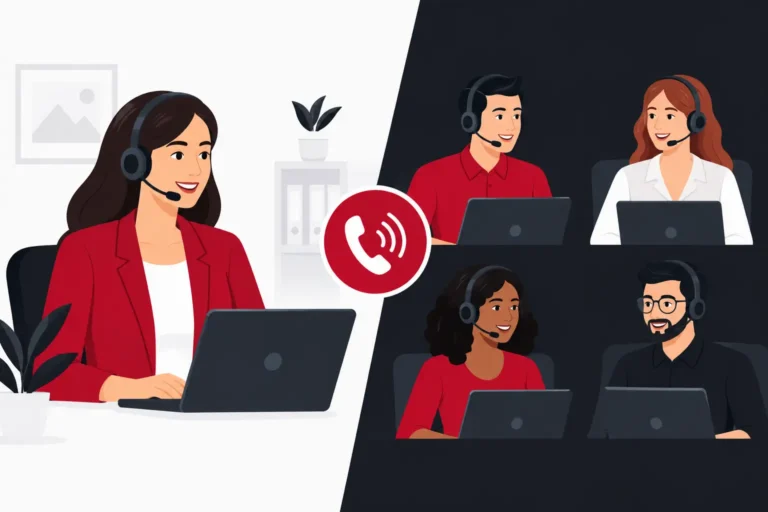
That is where 24/7 live phone coverage becomes part of lead qualification, not just message taking. A trained receptionist can follow your approved script, capture lead details, schedule appointments, and escalate time-sensitive calls based on your rules. OnCalla Solutions provides live answering coverage that operates as an extension of the front office, so callers reach a professional representative rather than a voicemail box.
The right coverage model depends on call volume and complexity. Some businesses need a dedicated agent who learns their workflow in depth. Others need overflow or after-hours support. The operational requirement stays the same: every caller should receive a dependable response and a clear next step.
Measure the Lead Qualification Workflow, Not Just Call Volume
More calls do not automatically mean more business. Review whether calls are answered promptly, whether required lead details are captured, how quickly qualified prospects receive follow-up, and where calls are being lost or delayed.
Listen for patterns in call records and team feedback. If sales staff regularly ask for missing location details, adjust the script. If callers are being transferred to unavailable people, update the escalation order. If a specific type of question is consuming time but rarely produces a viable opportunity, create a more efficient response path.
Also review the caller experience. A workflow can be efficient internally while frustrating customers. Long question sequences, repeated transfers, and vague promises to call back create friction. The best process is disciplined behind the scenes and easy for the caller to navigate.
Use AI as Part of a Human Response Plan
AI can help handle routine inbound questions, gather initial information, and respond instantly when call volume rises. But a lead qualification workflow should account for the moments when a caller needs reassurance, has an unusual situation, or is ready to make a decision.
A hybrid AI and live-agent model gives businesses both speed and human support. AI can address straightforward calls immediately, then escalate to a live agent when the conversation needs judgment, empathy, or more detailed qualification. The live agent should receive the context already collected so the caller does not have to start over.
Build your workflow around the customer moment, not the technology. A simple scheduling question may be well suited to automation. A caller reporting an emergency, discussing a legal matter, or trying to choose between major services deserves a clear human path.
Every inbound call is a moment when a customer decides whether your business is accessible, organized, and ready to help. Give your team a workflow that treats that moment with the urgency it deserves, and make sure someone is ready to answer when it counts.