Dedicated Agents vs Shared Agents for Your Calls
A missed call from a new patient, homeowner, prospective client, or tenant is not simply an unanswered phone. It can be an appointment that goes elsewhere, an urgent service request handed to another provider, or a lead that never gets a response. When comparing dedicated agents vs shared agents, the right choice comes down to how much call volume, consistency, and direct control your business needs to protect every opportunity.
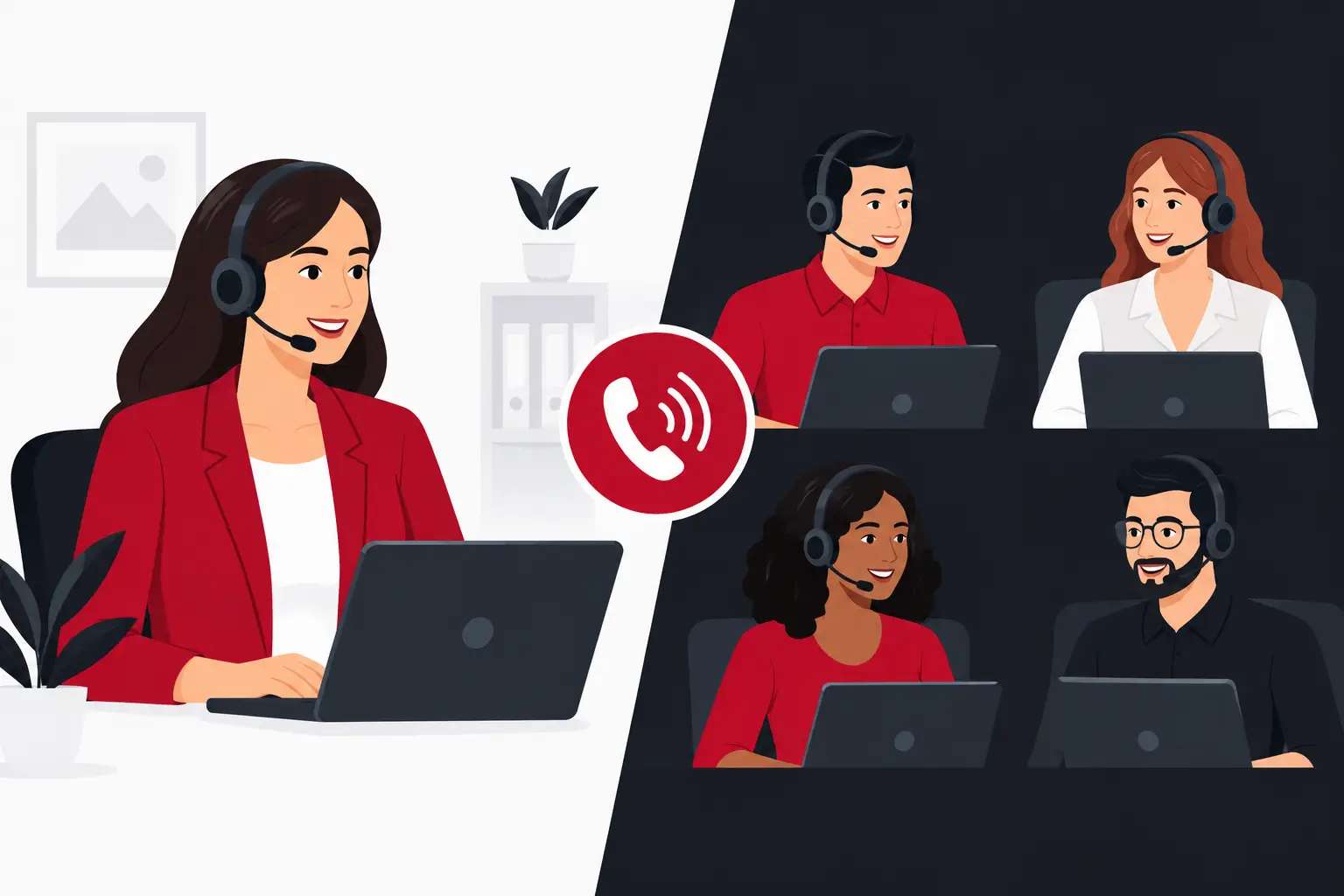
Both options put trained live professionals between your callers and voicemail. The difference is in how those professionals are assigned, how deeply they learn your operation, and how much coverage your business requires. A shared-agent answering service can be an efficient way to capture calls. A dedicated agent can function more like a full-time extension of your front office.
Dedicated Agents vs Shared Agents: The Core Difference
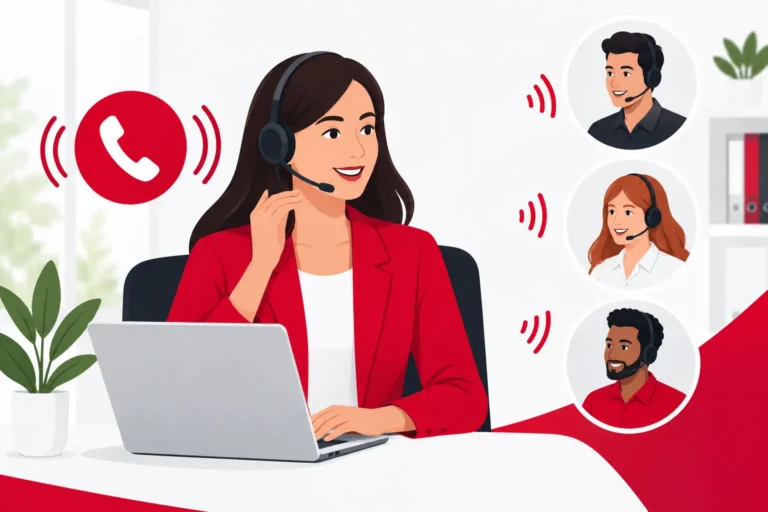
A shared agent supports more than one business. They answer calls according to your approved script, collect the information you need, qualify leads, take messages, schedule when applicable, and route urgent matters based on your instructions. Because the agent’s time is shared across accounts, this model works well for businesses that need reliable call coverage without needing a single person assigned solely to their phones.
A dedicated agent works exclusively for your business during their scheduled hours. They become familiar with your services, office procedures, customer types, preferred language, and call-routing rules. Rather than handling calls as one account among many, they spend their full shift representing your company.
That distinction matters most when callers expect a conversation that feels informed and continuous. A law office screening potential clients, a medical practice managing appointment requests, or an HVAC company responding to urgent service calls may benefit from a dedicated receptionist who understands the details that separate a productive call from a generic message.
When Shared Agents Are the Better Fit
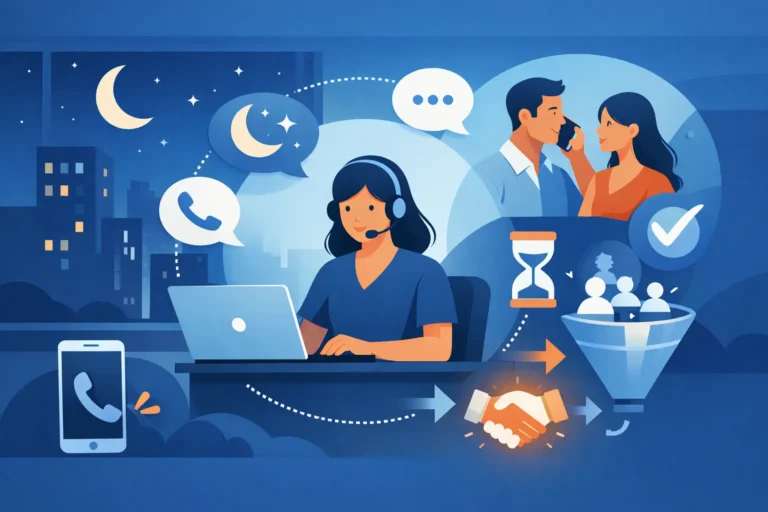
Shared-agent coverage is often the practical choice when your inbound call volume changes from week to week or arrives mainly after business hours. It gives small and midsize businesses access to live answering support without carrying the cost of staffing a full-time internal receptionist around the clock.
For example, a plumbing company may need someone to answer evening and weekend calls, identify urgent problems, gather the service address, and dispatch according to an on-call schedule. A shared agent can handle those calls promptly using a clear script. Likewise, a real estate team may use shared coverage to capture inquiries while agents are showing properties and cannot pick up the phone.
The model is especially useful when calls follow predictable workflows. If a caller primarily needs to leave a message, request an appointment, ask for basic information, or be transferred to the appropriate person, shared agents can provide professional coverage at an efficient cost.
Shared coverage does require strong setup. Your instructions need to be clear: who receives messages, which calls are urgent, what information should be collected, and what language agents should use with customers. A good answering partner helps turn those operational details into a call flow that keeps responses consistent, even when different trained agents handle calls.
When a Dedicated Agent Makes More Sense
A dedicated agent is best for businesses where phones are central to daily operations, not just overflow protection. If your office receives a steady stream of calls, needs frequent scheduling support, or depends on detailed conversations to convert inquiries, a dedicated receptionist gives you greater continuity.
Consider a dental office where callers ask about appointment availability, insurance questions, treatment preparation, and follow-up needs. Or consider a property management company taking maintenance requests, leasing inquiries, owner calls, and resident concerns. Those calls are easier to manage when the person answering knows the business’s terminology and escalation process.
Dedicated coverage also helps when your internal team is stretched thin. Office staff should not have to choose between serving the customer in front of them and answering a ringing phone. A remote receptionist can keep inbound calls moving while your team focuses on patients, clients, residents, technicians, or active projects.
For organizations that want a familiar voice and a tighter connection to their processes, the investment can be worthwhile. OnCalla’s dedicated agent service starts at $7 per hour, providing businesses with a full-time remote receptionist option backed by fluent English-speaking agents. Bilingual English and Spanish support can also be available when language access is part of the customer experience.
Compare the Decision Factors That Affect Your Calls
The choice is not simply about finding the lowest monthly cost. It is about matching coverage to the value and complexity of your inbound calls.
Call volume and call patterns
Shared agents are a natural fit for lighter or irregular call volume, especially after-hours and overflow periods. Dedicated agents are more appropriate when calls are steady throughout the workday, when callers spend more time on the phone, or when delays can create a bottleneck for your team.
Look beyond total monthly calls. Review when they arrive, how long they last, and what happens when no one answers. A business that receives 20 quick calls a day has different needs from one receiving 20 detailed consultations, scheduling requests, or service emergencies.
Complexity and brand experience
The more nuanced the call, the more valuable dedicated familiarity becomes. A shared agent can follow well-designed procedures very effectively. But if agents need to understand multiple service lines, recognize repeat callers, navigate exceptions, or coordinate closely with several internal team members, a dedicated agent offers a stronger day-to-day fit.
This is not a reason to dismiss shared service. It is a reason to be realistic about the caller experience you need. A simple lead-capture workflow and a complex intake workflow should not be treated as the same problem.
Coverage goals
Some businesses only need someone to answer when their office is closed. Others need live support while their internal team is busy, at lunch, in meetings, or assisting customers in person. A shared model can cover key gaps. A dedicated agent can take on a broader role across the full business day.
Many companies also need a combination. They may rely on a dedicated daytime receptionist and shared after-hours coverage, or use shared coverage first and move to dedicated support as call volume grows. The best arrangement should reflect the hours when missed calls are most costly.
Management and training time
A dedicated agent needs more upfront training because they will represent your business closely. That means sharing service details, intake questions, scheduling policies, escalation procedures, and the tone you expect. The payoff is a receptionist who can build deeper working knowledge over time.
Shared coverage typically launches faster when the call flow is straightforward. Your business still needs to supply accurate instructions and keep them current, but the operational lift is usually lower. Either model succeeds when your answering partner has clear information to work from.
Do Not Treat Call Coverage as a Static Decision
Your needs can change with the season, a new location, a growing service area, or a marketing campaign that produces more calls. A contractor may need shared after-hours support during slower months and dedicated coverage during peak demand. A legal practice may start with lead capture and later need a dedicated agent for more involved intake.
Review your phone data regularly. Missed-call reports, message quality, lead response times, appointment requests, and the number of calls your team must return can reveal whether your current setup is keeping pace. The goal is not to buy more coverage than you need. It is to ensure a caller reaches a professional, helpful representative when it matters.
Where AI Fits Into the Choice
For high-volume routine calls, a hybrid AI receptionist and live-agent model can add another layer of coverage. AI can respond instantly to basic requests and gather initial details, then escalate the call to a live agent when the caller needs human assistance. The live agent receives the call context, so the customer does not have to start over.
This approach can be useful for businesses that want immediate response at all hours while reserving live-agent time for conversations that require judgment, empathy, or deeper knowledge. It is not a replacement for human support in sensitive or complex moments. It is a practical way to help callers get answers quickly and reach a person when the situation calls for one.
The right phone coverage should make your business easier to reach, not harder to manage. Start with the calls you cannot afford to miss, then choose the level of continuity and capacity that lets every caller feel their time matters.