Top Virtual Receptionist Features That Win Calls
A missed call from a new patient, homeowner, tenant, or legal prospect is rarely just a missed call. It can be the moment that person contacts the next business on their list. The top virtual receptionist features protect that opportunity by ensuring callers reach a capable representative instead of voicemail, whether they call at noon, after closing, or during your busiest hour.
The right service does more than answer the phone. It helps your business capture leads, schedule work, resolve routine questions, and route urgent matters without forcing your team to staff a front desk around the clock. Here is what to look for when dependable phone coverage is part of your growth plan.
Top Virtual Receptionist Features to Prioritize
24/7 live call coverage
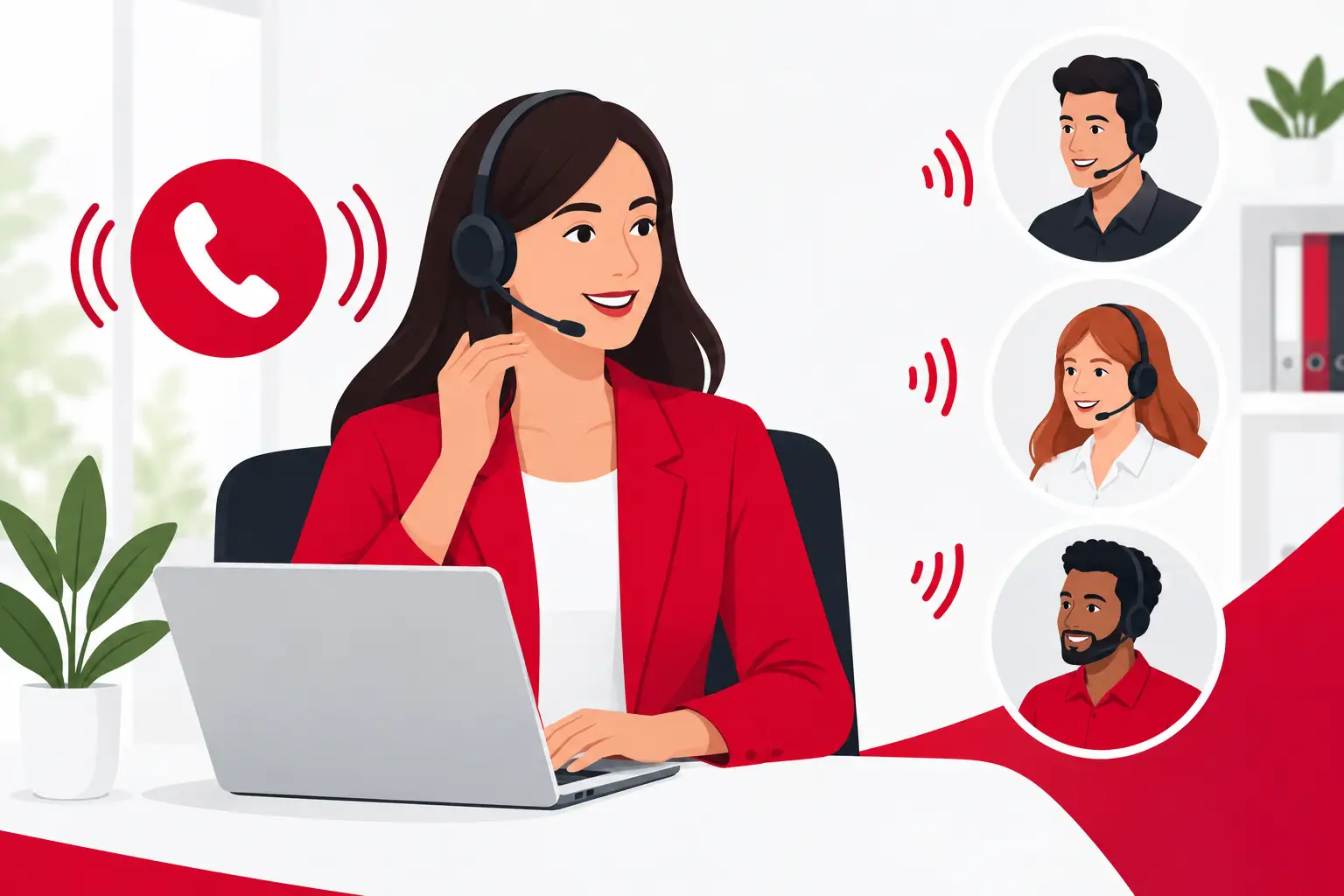
Availability is the foundation. A virtual receptionist should be able to answer during business hours, after hours, on weekends, and on holidays according to the coverage you need. For an HVAC company, a late-night no-heat call may require immediate escalation. For a law firm, an evening caller may need a reassuring first response and a consultation request captured before they move on.
Look beyond the phrase “24/7” and ask how calls are handled at different times. Can urgent calls reach an on-call employee? Are non-urgent messages delivered clearly for next-day follow-up? Is there a process for overflow calls when your internal team is already on the phone? The value is not simply having someone available. It is having a dependable plan for every type of caller.
Live agents who sound like part of your business
Callers should feel that they have reached your office, not a generic message center. Strong virtual receptionist services use customized greetings, scripts, terminology, and call-handling instructions so agents can represent your brand professionally.
This matters in industries where trust begins on the first call. A dental office needs a receptionist who can collect appointment details with care. A property management company needs someone who can distinguish a maintenance request from a leasing inquiry. A plumbing contractor needs a representative who can gather the right information when water is actively causing damage.
Scripts should provide consistency without making conversations sound stiff. The best setup gives agents clear guidance while allowing them to listen, clarify, and respond naturally. Review and update those scripts as your services, promotions, office hours, and escalation rules change.
Lead capture that gives sales teams useful information
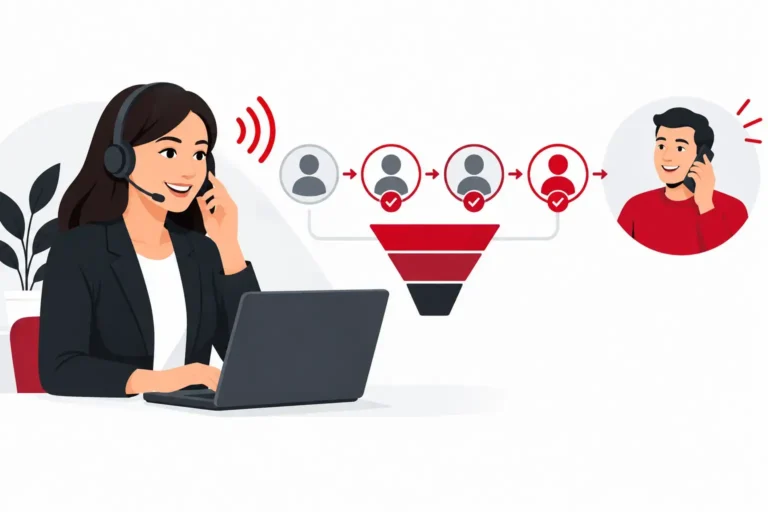
Taking a name and phone number is not enough when a caller is ready to buy. A capable receptionist should capture the details that make follow-up faster and more relevant: the service requested, location, urgency, preferred appointment time, referral source, and any relevant project or case information.
For example, a real estate agency may want to know whether a prospect is buying, selling, or seeking a rental property. A medical practice may need the caller’s reason for seeking care and scheduling preferences. A commercial contractor may need a project type, property address, and decision-maker details.
The goal is not to turn receptionists into salespeople. It is to ensure your sales or office team receives a complete, organized lead rather than a vague message that demands another round of questions. Better intake reduces response time and gives your team a stronger starting point.
Appointment scheduling and calendar support
For many service businesses, the phone call is where revenue starts. Appointment scheduling is therefore one of the most practical features to evaluate. A virtual receptionist may schedule consultations, service visits, estimates, follow-up appointments, or office meetings based on the rules you set.
The right approach depends on your operation. Some businesses want agents to book directly into a calendar. Others prefer agents to collect preferred times and send requests for internal confirmation. Direct booking can speed up the customer experience, but it requires accurate availability, clear scheduling rules, and a process for exceptions such as emergency appointments or travel zones.
Before choosing a provider, decide who can be booked, what appointment types can be scheduled, how far in advance callers can reserve time, and which situations require staff approval. Those details prevent double-bookings and protect the customer experience.
Smart call routing and urgent escalation
Not every call belongs in the same queue. A virtual receptionist should be able to route calls based on the caller’s need, location, language, or urgency. That may mean transferring a sales inquiry to a local branch, sending a maintenance emergency to an on-call manager, or delivering a routine customer-service message to the appropriate department.
Escalation rules are especially important for medical offices, legal practices, property managers, and home service providers. Define what counts as urgent, who receives those calls, and what should happen if the first contact does not answer. A good process includes backup contacts, clear message delivery, and instructions that agents can follow confidently.
This is where many businesses see the difference between phone coverage and a true front-office extension. The call should move toward a useful outcome, not simply end with a note.
Bilingual support when your callers need it
If your market includes Spanish-speaking customers, bilingual English and Spanish coverage can remove a major barrier to service. Callers can explain their needs more clearly, and your business can respond with the same professionalism it provides to every other customer.
Bilingual support is particularly valuable for businesses serving diverse communities, multi-location operations, and essential service categories. It should be planned thoughtfully, with translated scripts and clear routing instructions rather than treated as an afterthought.
Accurate messages and fast notifications
Speed matters after the call ends, too. Look for flexible message delivery options that match how your team works, such as text, email, or designated call notifications. The information should be easy to scan and include the essentials: caller name, callback number, reason for calling, urgency, and the action requested.
Ask how quickly messages are delivered and whether different call types can trigger different alerts. An emergency maintenance request may need an immediate text to an on-call technician, while a routine request for pricing can be routed to the sales inbox. Clear notifications help your team respond before interest cools or a minor issue becomes a larger one.
Reporting that reveals missed opportunities
Phone coverage should be measurable. Call reports can help you understand when people call, which inquiries are most common, how many leads were captured, and where internal staffing may be falling short.
Useful reporting is practical, not overloaded with call-center jargon. A business owner should be able to see patterns that support better decisions: Are leads coming in after 5 p.m.? Is one location receiving more service requests? Are certain questions signaling a need to update the website or train staff? Use the data to adjust scripts, staffing, marketing, and follow-up workflows.
AI Receptionist Features Need a Human Backup
AI can be a strong addition when callers need immediate answers to routine questions, basic intake, or simple routing. An AI receptionist can respond instantly and handle high call volume without placing callers on hold. But it should not force every caller through an automated experience when the situation becomes complex, sensitive, or urgent.
The most useful model is hybrid: AI handles straightforward interactions, then escalates to a live agent the moment a human touch is needed. Context should carry over so callers do not have to repeat themselves. This helps businesses stay responsive while preserving the empathy and judgment that many calls require.
Consider AI for common requests such as hours, directions, appointment availability, and basic qualification. Keep live-agent support readily available for distressed customers, detailed service needs, nuanced legal or medical questions, and callers who simply prefer to speak with a person.
Choose Features Around Your Actual Call Flow
The best virtual receptionist setup is not the one with the longest feature list. It is the one built around what happens when your phone rings. Map your most common call types, identify the calls that create the most value or risk, and establish clear instructions for each one.
For a growing business, start with the essentials: live coverage, customized scripts, lead capture, and reliable message delivery. Add scheduling, bilingual support, advanced routing, or hybrid AI coverage as your call volume and operational needs develop. A dedicated agent can also make sense when your business needs fuller front-office support and a consistent representative focused on your account.
OnCalla Solutions helps businesses nationwide build call-handling plans that protect inbound opportunities with 24/7 coverage, trained live agents, and hybrid AI support when appropriate. The real test is simple: when a valuable caller reaches out, will they get a timely, professional path forward? Build your coverage around answering yes every time.