Lead Recovery Cases: Where Lost Calls Go
A missed call is rarely just a missed call. For a plumbing company, it may be a homeowner with a burst pipe. For a law firm, it may be a prospective client calling after an arrest or accident. For a dental office, it may be a patient ready to book treatment. Lead recovery cases show what happens after that call goes unanswered – and how quickly a business can either regain the opportunity or lose it for good.
The common thread is response time. Callers who reach voicemail may leave no message, call another provider, or decide the business is difficult to reach. Recovering the lead is possible, but it requires a disciplined process, clear ownership, and dependable coverage when the internal team cannot answer.
What Lead Recovery Cases Reveal About Missed Calls
Businesses often measure missed calls as an operational issue: the front desk was busy, the technician was on a job, or the office was closed. The caller sees it differently. They needed help and did not reach a person.
That gap matters because many high-intent callers are making a decision in the moment. They may not be researching for weeks. They need an appointment, an estimate, an answer, or a next step now. A follow-up call 30 minutes later can still be helpful, but it is not the same experience as having a knowledgeable person answer immediately.
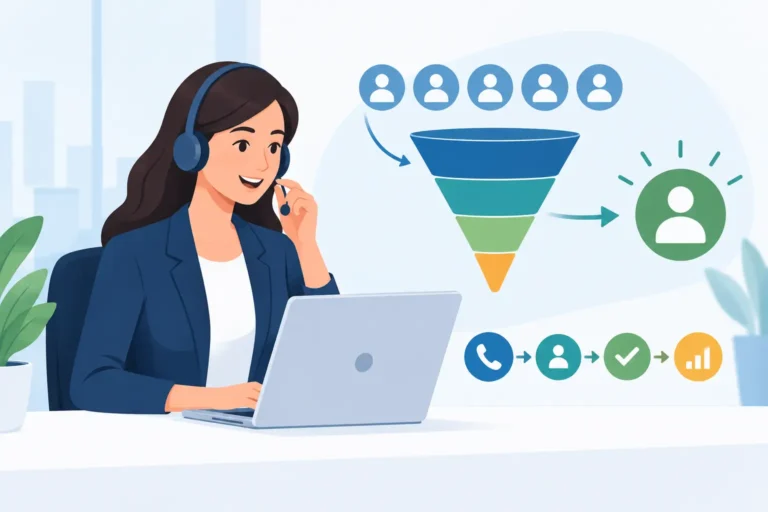
Lead recovery is therefore more than returning voicemails. It is the process of identifying unanswered opportunities, contacting the caller quickly, understanding what they need, and moving them toward an appointment, consultation, estimate, or qualified handoff.
Case 1: The After-Hours Home Service Emergency
A homeowner calls an HVAC company at 8:40 p.m. because the system has stopped working during extreme weather. The office is closed, and the call reaches voicemail. The homeowner does not leave a detailed message. Instead, they call two more companies.
By morning, the HVAC company may never know what it lost. There is no name in the CRM, no service request, and no opportunity for the sales or dispatch team to pursue.
Now consider the same call answered by a trained live receptionist. The caller receives immediate acknowledgement, basic questions are collected, and the request is routed according to the company’s after-hours process. Even if a technician is not dispatched immediately, the business has captured the lead, set expectations, and created a clear path for follow-up.
The difference is not simply answering the phone. It is preserving the customer relationship at the point when the caller is most likely to seek another provider.
Why Fast Follow-Up Still Matters
Not every business can provide live coverage around the clock, and not every missed call can be prevented. That is why a lead recovery process needs a strong second line of defense.
The best follow-up process begins with visibility. Teams need to know which calls were missed, when they occurred, whether a voicemail was left, and whether the number appears to be a new inquiry or an existing customer. Without that information, employees are left sorting through call logs after the fact, often while managing a full workload.
Speed should come before perfection. A short, professional callback is usually better than waiting until someone has every detail. The goal is to reconnect, confirm the caller’s need, and establish the next step. For a property manager, that might mean documenting an urgent maintenance request. For a real estate agency, it may mean scheduling a showing or connecting the caller with an available agent.
Still, there is a trade-off. Calling back too aggressively can feel impersonal, especially when a caller has reached out about a sensitive legal, medical, or financial matter. A thoughtful recovery workflow uses the right tone, respects the caller’s situation, and gives staff enough context to be helpful from the first conversation.
Case 2: The Law Firm Intake Call
A prospective client calls a law office during a court appearance, lunch break, or after normal business hours. They may be dealing with a time-sensitive issue and may be reluctant to leave details on a generic voicemail.
If the office returns the call hours later without knowing why the person called, the conversation starts cold. The staff member must ask the caller to repeat information, explain availability, and determine whether the matter fits the firm’s practice areas. That friction can cause a potential client to disengage.
A stronger approach is to capture the initial inquiry professionally. A receptionist following an approved script can collect contact information, the nature of the matter at a high level, the preferred callback time, and any urgent deadlines. The firm receives a qualified intake rather than an unexplained missed call.
That does not mean every inquiry should be treated the same. Legal teams need scripts that protect confidentiality, avoid legal advice, and route urgent matters appropriately. Lead recovery works best when it reflects the business’s real operating rules rather than using a generic callback template.
Build a Recovery Process That Your Team Will Use
A lead recovery system should be simple enough to run on a busy day. If it relies on one employee remembering to review multiple inboxes and call logs, opportunities will continue to slip through.
Start by deciding who owns missed-call follow-up during business hours and after hours. Then define what counts as urgent, what information must be collected, and when a lead should be escalated to a manager, dispatcher, salesperson, or on-call professional.
Your process should also distinguish between lead types. A patient requesting a routine dental cleaning needs a different response than a patient with severe pain. A caller asking for a plumbing estimate can follow a standard intake path, while a caller reporting active water damage may need immediate escalation.
For most businesses, the operating rules should cover at least four areas:
- How quickly missed calls are returned during normal business hours
- What information is recorded before a callback or transfer
- Which inquiries require immediate escalation
- How staff document outcomes in the CRM, scheduling platform, or service system
The documentation step is often overlooked. If a team member calls back and reaches voicemail, that should be recorded. If the lead books an appointment, the original source should be visible. Over time, this helps leaders see whether missed calls are concentrated during lunch, evenings, weekends, seasonal peaks, or specific locations.
Prevention Is Better Than Recovery
Lead recovery can save opportunities, but prevention is usually more valuable. The easiest call to recover is the one that never becomes a missed call.
That is where live answering coverage becomes a revenue-protection tool rather than an administrative expense. A professional receptionist can answer inquiries, follow custom scripts, capture lead details, qualify callers, schedule appointments where appropriate, and route urgent requests to the right person. The caller gets an immediate response, while the internal team stays focused on serving customers already in front of them.
For businesses that need constant availability without maintaining an in-house overnight reception team, a hybrid model can also make sense. An AI answering service can handle routine calls instantly and pass the conversation to a live agent when a caller needs human help. The right model depends on call volume, complexity, customer expectations, and how often urgent calls arrive outside office hours.
OnCalla Solutions provides 24/7 inbound coverage designed to help businesses capture leads when internal staff are unavailable. With trained live agents and hybrid AI plus live-agent options, businesses can create a more dependable front-office experience without forcing every incoming call onto a busy internal team.
Case 3: The Medical Office That Protects Access
A medical or dental office may miss calls while staff are checking in patients, handling insurance questions, or assisting providers. Even during normal hours, the front desk cannot always answer every ring.
When an unanswered call concerns a new patient, prescription question, appointment change, or urgent symptom, a delayed response can create both scheduling problems and frustration. A live answering process can gather the right information, communicate approved next steps, and direct urgent situations according to the practice’s protocols.
Healthcare communication requires particular care. Scripts should be clear, privacy-conscious, and aligned with the office’s procedures. The goal is not to replace clinical judgment. It is to make sure callers can reach a responsive representative who knows how to route their request correctly.
Treat Every Ring as a Business Signal
The real lesson from lead recovery cases is straightforward: unanswered calls create uncertainty. Some callers will wait. Many will not. Businesses that respond quickly and professionally give themselves a better chance to earn the conversation, the appointment, and the long-term relationship.
Review your missed-call patterns, make ownership clear, and decide where live coverage would protect your busiest and most vulnerable hours. Every ring is a customer trying to reach your business. Make sure the next step is not a dead end.