Are Virtual Receptionists Bilingual? What to Ask
A Spanish-speaking homeowner calls your plumbing company at 8:30 p.m. with a burst pipe. A receptionist who cannot understand the urgency may take an incomplete message – or the caller may hang up and call the next company. That is not simply a language issue. It is a missed opportunity to help a customer and protect revenue.
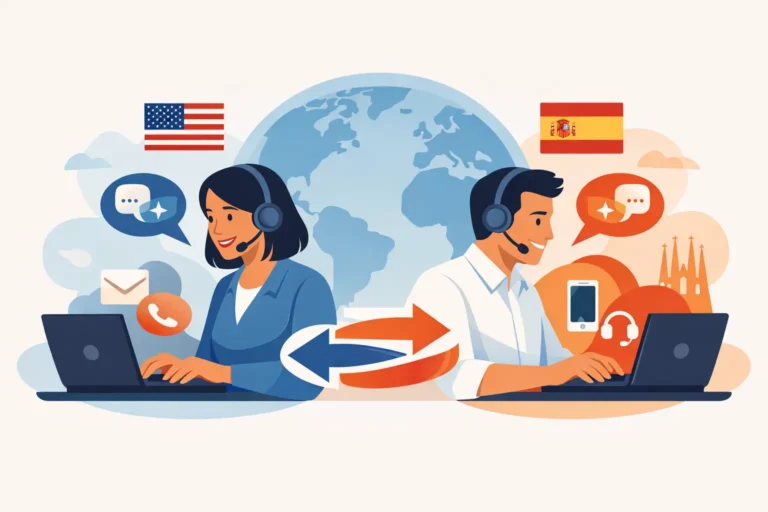
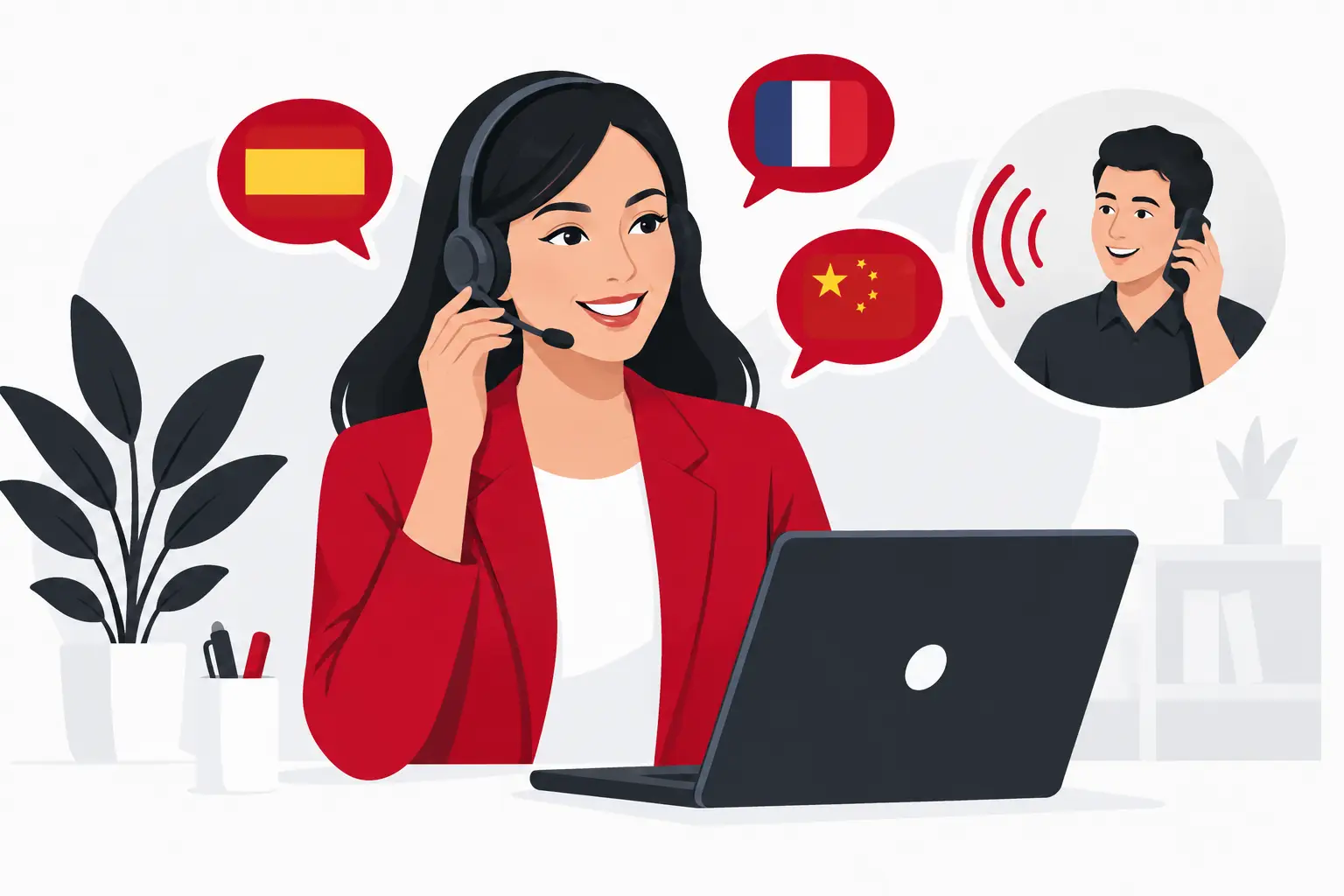
Are virtual receptionists bilingual? Many are, but bilingual support is not automatic. Providers differ in the languages they offer, the hours those agents are available, and whether bilingual callers receive the same level of lead qualification, scheduling support, and urgency handling as English-speaking callers. Before choosing a service, businesses need to ask more than whether Spanish is available.
Are virtual receptionists bilingual in English and Spanish?
A virtual receptionist service may offer bilingual English-Spanish agents, language interpretation, or English-only coverage with limited escalation options. These are not interchangeable.
A true bilingual virtual receptionist can speak directly with callers in both languages, follow your call script, capture accurate contact details, explain basic services, schedule appointments when authorized, and route urgent situations according to your instructions. The conversation should feel like reaching your office, not like being transferred through a complicated language process.
For many US businesses, English and Spanish coverage is the most immediate need. It can help medical and dental offices communicate appointment details, law firms gather initial matter information, property managers respond to maintenance requests, and home service companies capture emergency calls. Real estate teams may also benefit when prospective buyers, renters, sellers, or tenants prefer to start the conversation in Spanish.
However, availability can depend on the service plan, call volume, and time of day. Ask directly whether bilingual coverage is available 24/7 or only during selected hours. If your business advertises after-hours availability, a gap in Spanish-language coverage can create an inconsistent customer experience precisely when callers need help most.
Why bilingual call handling affects more than customer service
Every inbound call has a purpose. It may be a new sales inquiry, a request for an estimate, an appointment need, a billing question, or an urgent service issue. When a caller cannot communicate comfortably, your team may lose the information needed to take the right next step.
Bilingual reception coverage helps remove that friction. A caller can explain the problem in the language they know best, while your business receives a clear, usable message. That means fewer vague notes, fewer callbacks needed to clarify basics, and a better chance of responding with the appropriate level of urgency.
It also supports the trust that service-based businesses depend on. A customer who feels heard is more likely to stay on the line, provide complete information, and accept a next step such as an appointment, consultation, or technician dispatch. No answering service can guarantee a sale, but professional communication gives each inquiry a fair chance to become one.
For offices managing a busy front desk, bilingual coverage can also keep internal staff focused. Rather than pulling an employee away from patients, clients, tenants, or customers to translate an unexpected call, the virtual receptionist can handle the initial interaction and send the relevant details to the right person.
What to ask before hiring a bilingual receptionist service
The right questions reveal whether a provider can actually support your operation. Start with language fluency. Ask whether agents are fluent English-Spanish speakers and whether they are trained to handle live business conversations, not merely basic greetings.
Then ask how calls are handled from start to finish. Can bilingual agents use your greeting, follow your procedures, qualify leads, collect preferred callback times, book appointments, and route emergencies? If the provider only translates a short message, it may not deliver the front-office support your callers expect.
You should also clarify how messages are delivered. Your team needs enough detail to act quickly: caller name, phone number, reason for the call, location when relevant, urgency level, preferred language, and any action promised during the call. For a property manager, that might mean identifying a water leak versus a routine maintenance request. For a legal office, it might mean documenting the case type and consultation request without giving legal advice.
Finally, discuss quality control. Ask how the service learns your terminology, service areas, hours, escalation contacts, and boundaries. A bilingual agent still needs a clear playbook. The best language skills cannot compensate for unclear instructions about who to contact when an HVAC no-cool call arrives after hours or what a dental office wants done with a same-day appointment request.
Build a call script that works in both languages
A bilingual answering service is strongest when your instructions are equally clear in English and Spanish. You do not need to translate every internal document before getting started, but the most important caller-facing information should be available in both languages.
That includes your business name and greeting, core services, office hours, service territory, basic scheduling rules, emergency definitions, and escalation procedures. If you offer a promotion, financing information, or a specific intake process, decide in advance what agents can say and what must be passed to your team.
Avoid scripts that sound stiff or force agents to repeat jargon. Give them a clear goal for each call: capture the lead, schedule the visit, route the emergency, or document the support request. Then allow natural conversation within those boundaries. Callers notice when a representative understands their situation rather than reading disconnected lines.
For regulated or sensitive industries, establish strict limits as well. Medical offices should define how appointment and message information is collected and escalated. Law firms should make clear that receptionists do not provide legal guidance. A professional virtual receptionist can gather information and move the call forward without stepping into advice that belongs to licensed staff.
Live bilingual agents, AI, or a hybrid model?
The best setup depends on the type of calls your business receives. Live bilingual agents are particularly valuable when callers may be stressed, need to explain a complicated issue, or expect empathy and judgment. Emergency home service calls, legal intake, patient concerns, and tenant maintenance requests often benefit from a trained person who can listen carefully and follow your escalation plan.
AI reception tools can help handle repetitive requests quickly, such as basic hours, locations, appointment availability, or simple routing. But language support should be evaluated carefully. Ask whether the system can recognize both English and Spanish accurately, maintain context when the caller switches languages, and transfer the conversation to a live agent when the situation becomes complex.
A hybrid AI and live-agent model can give businesses fast initial response while preserving human support when a caller needs it. The handoff matters. A caller should not have to repeat a service problem, address, or appointment need after asking for a person. Context should carry over so the live agent can continue the conversation efficiently.
OnCalla Solutions provides bilingual English-Spanish agents as part of its 24/7 inbound coverage options, along with a hybrid AI answering service that escalates calls to a live agent when human assistance is needed. For businesses that need dedicated front-office support, dedicated agents are available starting at $7 per hour.
Measure whether bilingual coverage is doing its job
Once service begins, review a sample of bilingual call messages and look for practical answers. Are caller details complete? Are urgent issues reaching the right person? Are appointment requests being handled according to your rules? Are Spanish-speaking callers receiving the same timely response as English-speaking callers?
Pay attention to patterns, not just individual calls. If callers repeatedly ask questions agents cannot answer, update the script. If after-hours emergencies are being sent to the wrong contact, revise the escalation list. If your team is calling customers back for information that should have been captured initially, tighten the intake process.
Bilingual coverage is not an add-on to check off a list. It is part of how your business stays accessible to the people ready to call. Define the experience you want callers to have in either language, give your reception team the tools to deliver it, and make sure no urgent opportunity is left waiting for a response.