US Based Call Center Outsourcing That Captures Leads
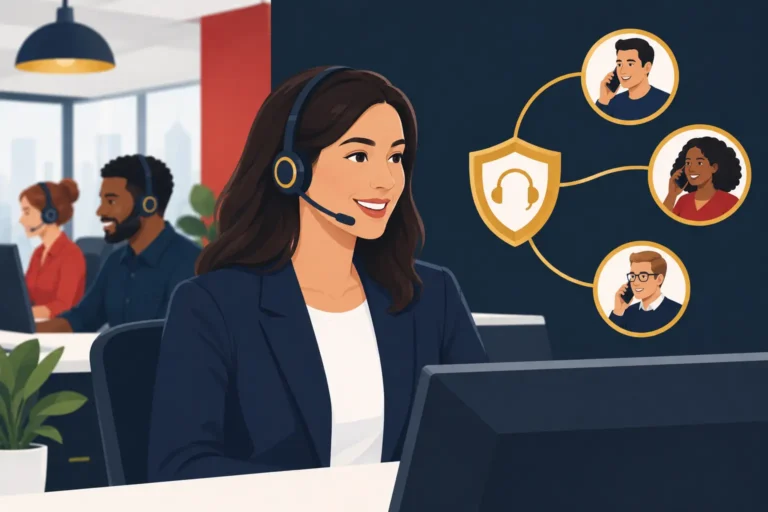
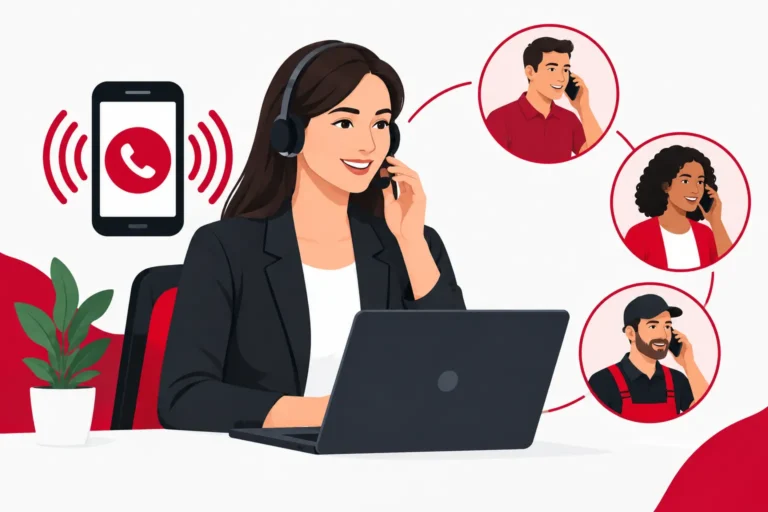
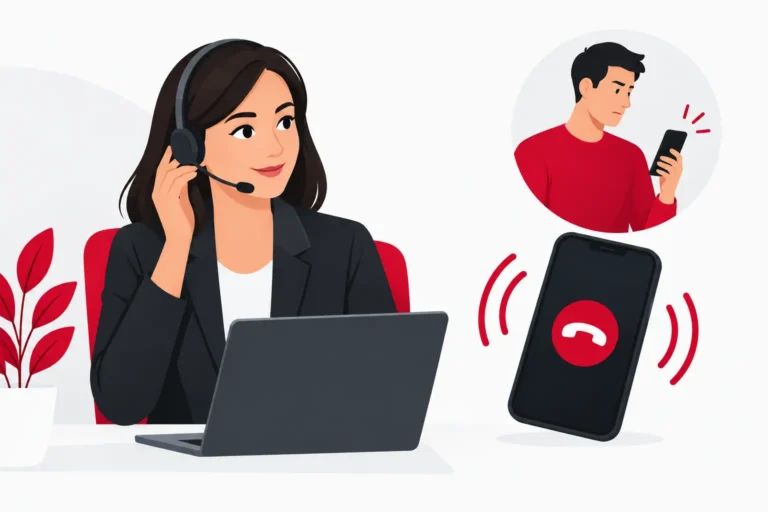
A ringing phone is often a customer ready to schedule, buy, request help, or compare providers. When no one answers, that opportunity rarely waits around. US based call center outsourcing gives businesses a practical way to keep calls covered, capture leads, and provide a professional response when internal staff are busy, off the clock, or focused on serving customers in front of them.
For service businesses especially, the phone is not just an administrative channel. It is part of the sales process. A homeowner calling about a broken air conditioner, a prospective client seeking legal help, or a tenant reporting an urgent issue expects a prompt answer. Reliable phone coverage protects that first moment of trust.
What US Based Call Center Outsourcing Means
US based call center outsourcing generally refers to working with a call-handling partner that serves US businesses, understands US customer expectations, and provides coverage aligned with domestic business needs. The physical location of agents can vary by provider. What matters operationally is whether callers receive clear communication, knowledgeable support, consistent service, and a process built around your business.
For many organizations, an outsourced call center operates as an extension of the front office. Agents can answer in your company name, follow customized scripts, collect the details your team needs, qualify inquiries, book appointments when appropriate, and route urgent messages according to your instructions.
That model is different from simply forwarding calls to voicemail. Voicemail puts the burden back on the customer to leave a message and wait. Live call handling gives them an immediate path forward. Even when an issue cannot be resolved on the first call, a trained representative can acknowledge the request, gather accurate information, and set expectations for what happens next.
Why Missed Calls Cost More Than One Conversation
The immediate cost of a missed call may be one lost appointment or one unanswered question. The larger cost is less visible. It can show up as a prospect who calls a competitor, a customer who questions your availability, or a sales team that starts the day with incomplete lead information.
Internal reception coverage has natural limits. Employees take breaks, work with customers, attend meetings, drive between job sites, and go home. Hiring enough people to cover every hour can be expensive and difficult to manage, particularly for small and midsize businesses with fluctuating call volume.
Outsourcing creates capacity without requiring your organization to build a 24/7 reception department. It can support a full-time front desk, fill gaps during peak periods, or cover evenings, weekends, holidays, and after-hours emergencies. The right arrangement depends on the role calls play in your business and how quickly each type of inquiry needs a response.
Where Outsourced Coverage Delivers the Most Value
The strongest use case is straightforward: callers need a response when your team cannot reliably provide one. That can apply across industries, but the call workflows differ.
A plumbing company may need after-hours dispatch intake for urgent leaks while capturing routine service requests for the next business day. A law office may need every prospective client treated with discretion while gathering preliminary intake details. A property management company may need to distinguish a maintenance emergency from a general question and notify the right person.
Healthcare offices, automotive businesses, contractors, real estate teams, and multi-location service organizations face the same core challenge in different forms. Customers call at inconvenient times, and not all calls have the same urgency. A well-designed outsourced call process makes those distinctions clear instead of treating every caller like a generic message.
What a Good Call Center Partner Should Handle
A provider should do more than answer quickly. The service needs to make each conversation useful to your team. Before choosing a partner, confirm how it will manage the practical details that determine whether calls become outcomes.
Look for four essentials:
- Customized call scripts and instructions. Agents should use your business name, reflect your preferred tone, and ask the questions needed to move callers forward.
- Lead capture and qualification. Your team should receive complete, organized details rather than a vague note that someone called.
- Clear escalation paths. Urgent requests need defined rules for who is contacted, when they are contacted, and what happens if the first person does not respond.
- Consistent availability and reporting. Coverage should match your stated business hours, after-hours needs, and service standards, with visibility into the calls being handled.
Language capabilities also matter. If your customers include Spanish-speaking callers, bilingual English and Spanish support can improve access and reduce friction at the first point of contact. For businesses handling sensitive information, ask practical questions about processes, access controls, and compliance alignment. The goal is not a generic call center program. It is a workflow that supports how your company actually serves people.
Dedicated Agents, Shared Coverage, and Hybrid AI Support
There is no single outsourcing model that fits every business. The right choice depends on call volume, complexity, budget, and the level of brand familiarity required.
Shared live-agent coverage can be a sensible option for companies that need dependable answering service support without enough volume to justify a dedicated employee. It helps ensure calls are answered while allowing the business to pay for coverage suited to its needs.
A dedicated agent can make more sense when call volume is steady, workflows are detailed, or the agent needs deeper familiarity with your services, systems, and customer base. This structure can feel closer to adding a member to your internal team, without the full burden of recruiting, scheduling, and managing around-the-clock coverage.
Hybrid AI answering services add another option. AI can respond instantly to routine questions and gather basic information, while a live agent steps in when the caller needs human assistance. The value is speed without abandoning the human touch. A customer should not have to repeat their situation after escalation, so context transfer between AI and a live representative is a critical part of the experience.
AI works best when it supports a thoughtful call strategy. It is particularly useful for predictable requests, basic information, and high-volume first contact. Complex situations, emotional conversations, high-value sales inquiries, and urgent service decisions still benefit from a trained live agent who can listen, clarify, and respond with judgment.
How to Set Up Outsourced Calls for Better Results
Call center performance begins before the first agent answers. Businesses get better results when they define what a successful call looks like for each major reason customers contact them.
Start by identifying your high-priority call types. New sales leads, appointment requests, emergency service calls, existing customer support, billing questions, and vendor calls may all require different handling. Then decide what information must be captured, what can wait until business hours, and what requires immediate escalation.
Keep scripts natural. A script should guide the conversation, not make it sound mechanical. Give agents useful context about your services, locations, service areas, scheduling rules, and common customer questions. Review early call records and messages closely. If agents are receiving incomplete details or sending too many unnecessary escalations, revise the instructions rather than assuming the service cannot improve.
It also helps to establish a clear owner inside your company. Someone should be responsible for updates when hours change, promotions begin, staff schedules shift, or an emergency contact changes. Outsourcing works best as an active partnership, not a set-it-and-forget-it handoff.
Choosing a Provider That Protects Your Customer Experience
Price matters, but the cheapest option can become expensive if callers receive poor service or leads arrive without enough information to act. Evaluate a provider based on call quality, training approach, availability, flexibility, and the ability to adapt as your business grows.
Ask how agents learn your terminology and workflows. Ask what happens during a surge in calls, how urgent messages are delivered, and whether the provider can support your customers across all 50 states. Request clarity on the service model, including whether calls are handled by live agents, AI, or a hybrid approach.
OnCalla Solutions provides 24/7 inbound coverage for businesses nationwide, with fluent English-speaking agents and bilingual English and Spanish support available. Its model is designed around the business outcome that matters most: making sure customers reach a capable representative instead of an unanswered line.
The most effective phone coverage does not call attention to itself. Customers simply get answers, your team receives the right information, and more opportunities remain within reach. When every inbound call has a clear next step, your business is better positioned to serve the customers who are already trying to reach you.