Call Forwarding Versus Live Coverage for Growth
A plumbing customer with a burst pipe is not calling to leave a message. A prospective legal client calling after an accident is not likely to wait until Monday. In the decision between call forwarding versus live coverage, the real question is simple: what happens to a valuable caller when your team cannot answer?
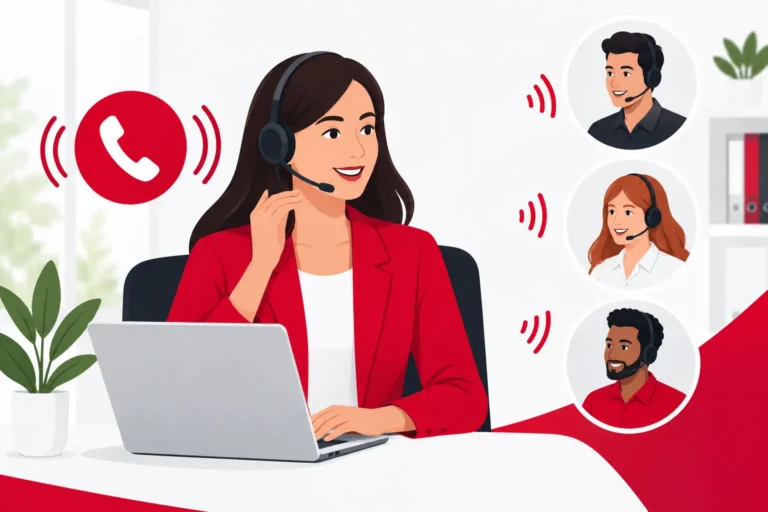
Call forwarding can move a ringing phone from one person to another. Live coverage puts a trained person in front of the call, ready to answer, gather details, and take the next appropriate step. Both have a place, but they solve very different business problems.
What Call Forwarding Actually Does
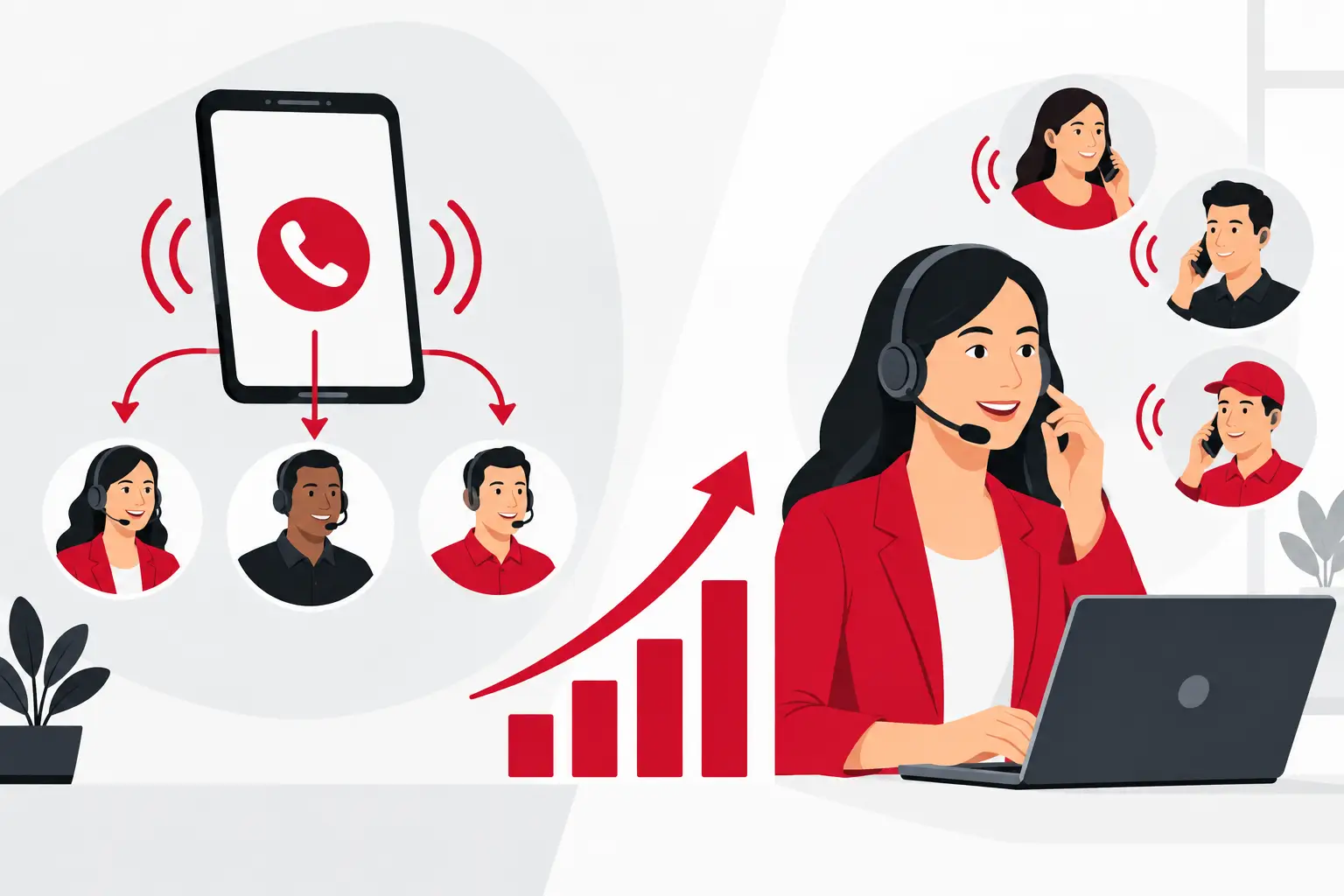
Call forwarding is a routing feature. When someone dials your business number, the call is sent to another number based on rules you set. You might forward calls from the office line to an owner’s cell phone after 5 p.m., to an on-call technician on weekends, or through a rotating schedule among team members.
For a small operation with low call volume and a reliably available owner, forwarding can be useful. It is quick to set up, familiar to employees, and often included with an existing phone system. It can also work well for true emergency escalation, where the right person needs to receive the call immediately.
The limitation is that forwarding does not create coverage. It transfers responsibility to someone who may be driving, serving a customer, in a meeting, asleep, or already handling another call. If that person does not answer, the caller may reach voicemail, hear repeated rings, or try a competitor instead.
Forwarding also places an ongoing burden on internal staff. The employee carrying the phone has to decide whether to interrupt dinner, a job site, or personal time. Over time, that arrangement can lead to uneven service and burnout, particularly for businesses that receive calls outside standard office hours.
What Live Coverage Adds to Every Call
Live coverage means callers reach a real representative who answers in your business name and follows instructions built around your operation. The representative can capture the caller’s name, phone number, reason for calling, preferred appointment time, service address, or case details. They can qualify a lead, schedule an appointment when authorized, send an urgent message, or route the call to the right person.
That distinction matters because an inbound call is rarely just a ringing event. It is often a sales inquiry, a time-sensitive service request, a patient question, a tenant issue, or a customer trying to resolve a problem before it grows.
A live answering service can give callers an immediate acknowledgment without forcing your staff to be on the phone around the clock. For a property manager, that may mean documenting a maintenance concern and escalating emergencies according to the property’s protocol. For a dental office, it may mean collecting information from an after-hours caller and routing urgent concerns correctly. For an HVAC company, it may mean capturing an evening no-heat request before the homeowner calls the next company in search results.
The goal is not to put a call center between your business and your customer. It is to extend your front office when your internal team is unavailable.
Call Forwarding Versus Live Coverage: The Key Differences
The biggest difference is accountability. With call forwarding, the business hopes an available employee picks up. With live coverage, answering calls is the assigned job. A trained agent is available to follow the script, collect the right information, and document the interaction consistently.
Customer experience is another meaningful gap. A forwarded call may land with someone who is not prepared to answer, has limited access to account details, or cannot talk at length. A live agent answers professionally, identifies the business, and gives the caller a clear next step. This can be especially valuable in industries where callers are stressed, such as legal services, healthcare offices, home services, and property management.
There is also a difference in what your business learns. A forwarded call that goes unanswered may leave little record beyond a missed-call notification. A live coverage team can provide the contact details and call reason your staff needs to follow up with purpose. That visibility helps sales leaders spot demand patterns and helps office managers make sure urgent requests are not buried in voicemail.
Cost should be evaluated beyond the price of a phone feature. Forwarding may look inexpensive, but a missed high-intent caller can be costly. At the same time, not every business needs a full-time live agent at every hour. The right setup depends on call volume, lead value, urgency, and the availability of your internal staff.
When Forwarding Is Enough
Forwarding can be the right choice when calls are infrequent, routine, and easily handled by a designated person. A consultant who receives a few calls per week, has a predictable schedule, and can respond promptly may not need continuous live coverage.
It can also be useful as one part of a broader call plan. For example, a live agent can answer first, gather essential details, and then forward only calls that meet a defined urgent threshold. That protects the on-call employee from unnecessary interruptions while ensuring genuine emergencies reach them quickly.
The risk rises when forwarding becomes your only after-hours process despite frequent calls, unpredictable demand, or a team that cannot reliably answer. If your staff regularly returns calls hours later, callers are encountering voicemail more often than a person, or employees are losing personal time to routine requests, the system is no longer supporting growth.
When Live Coverage Is the Better Business Decision
Live coverage is usually the stronger fit when each inbound call has meaningful revenue, retention, or service implications. This includes law firms receiving new case inquiries, real estate teams responding to buyer and seller leads, medical and dental practices managing appointment requests, and home service businesses handling urgent repair calls.
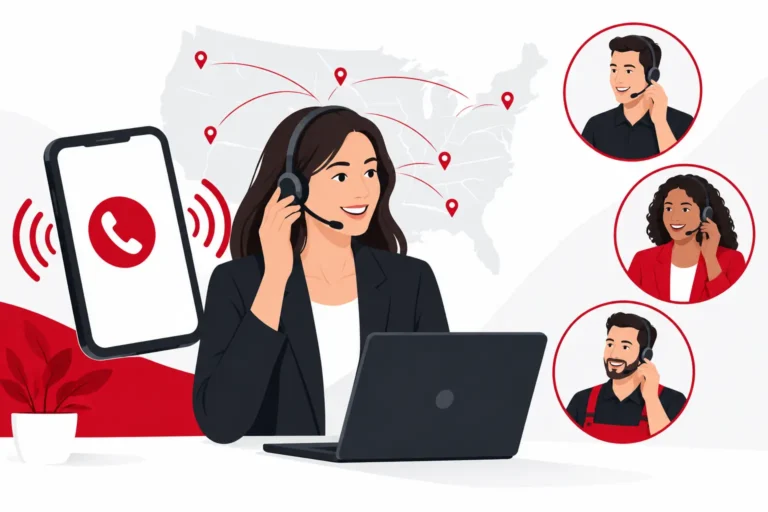
It is also a practical choice for multi-location businesses. Instead of asking each location to maintain the same after-hours process, a centralized live coverage team can use location-specific instructions, escalation paths, and scripts. The caller receives a consistent experience whether they call at noon or midnight.
Businesses with a small front office often benefit as well. A receptionist may be excellent at welcoming guests and handling calls during business hours, but one person cannot simultaneously serve an in-office customer, process paperwork, and answer every ringing line. Overflow coverage prevents callers from being neglected during busy periods without requiring another internal hire.
OnCalla Solutions provides 24/7 live answering support designed to capture leads, manage customer communications, and route urgent calls based on your instructions. Businesses that need more dedicated capacity can also use a full-time remote receptionist, with dedicated agent service starting at $7 per hour.
A Hybrid Option for Routine Calls and Human Escalation
Some businesses need instant response but do not require a live agent to handle every routine request. A hybrid AI receptionist and live-agent model can be a practical middle ground. AI can answer common questions, collect basic information, and handle straightforward call flows immediately. When a caller needs judgment, reassurance, or help outside the routine path, the conversation escalates to a live agent with the relevant context available.
This approach can reduce unnecessary transfers while preserving the human touch that matters in complex or sensitive calls. It should not be treated as a replacement for people. A caller with an urgent plumbing issue, a distressed legal inquiry, or a complicated billing concern may need a knowledgeable person, not a rigid menu.
Build the Coverage Plan Around the Caller
Before choosing a model, review what happens after your office closes and during your busiest hours. Look at missed-call reports, voicemail response times, the types of calls you receive, and which callers require immediate action. Then decide what a caller should hear, what information should be captured, which issues should be escalated, and who owns follow-up.
The strongest phone process does not simply make calls ring somewhere else. It gives every caller a timely, professional path forward – and gives your team the information needed to act when it matters.