Answering Service That Stops Missed Calls
A missed call is rarely just a missed call. For a plumbing company, it may be a homeowner with a burst pipe. For a law office, it may be someone ready to schedule a consultation. For a property manager, it may be a tenant facing an urgent issue. An answering service gives callers a professional response when your internal team is busy, off the clock, or already helping someone else.
The practical value is straightforward: customers can reach your business when they need you, and your team gets the information needed to take the next step. Instead of sending calls to voicemail and hoping people leave a message, you can capture leads, schedule appointments, route urgent matters, and maintain a dependable first impression around the clock.
What an Answering Service Does for Your Business
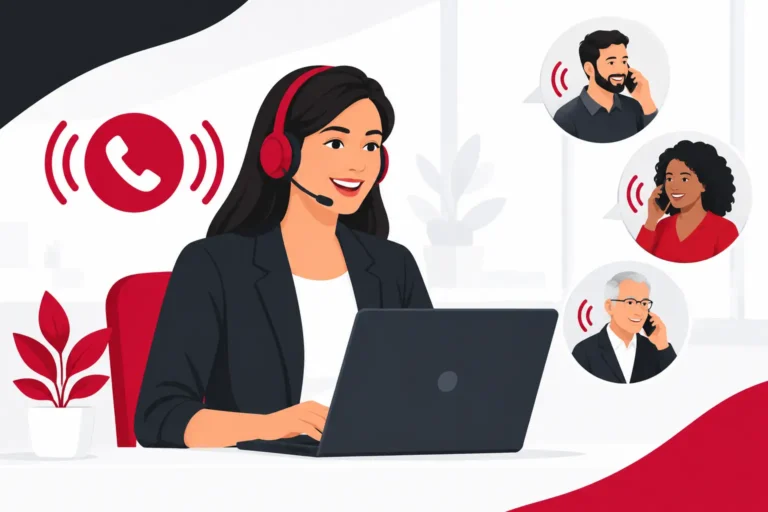
An answering service acts as an extension of your front office. Live agents answer inbound calls using instructions developed for your business, then follow the right process for each type of caller. That might mean taking a detailed message, qualifying a sales lead, booking an appointment, transferring a call, or escalating an urgent request to an on-call employee.
The best setup does more than answer the phone. It creates consistency at the point where interest becomes action. A caller should not have to guess whether they reached the right business, repeat basic details, or wait until the next business day to know that someone heard their concern.
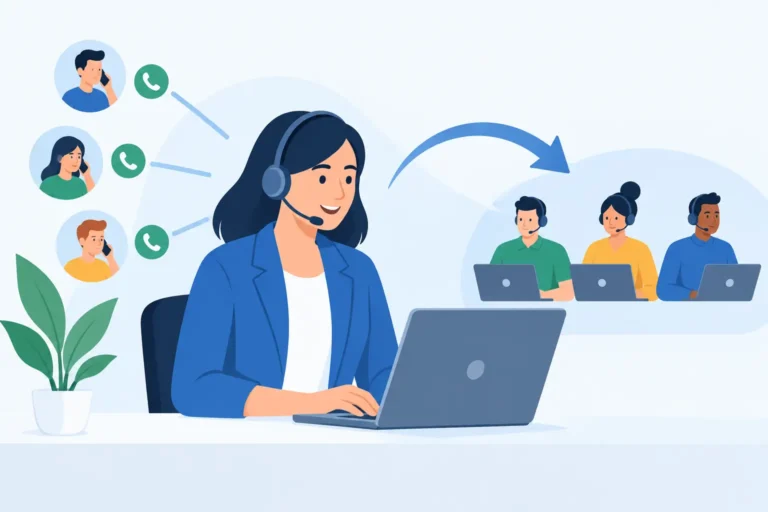
For many organizations, coverage is most valuable outside standard office hours. But daytime support matters too. Reception staff take breaks, sales teams are on the road, and customer service teams can only handle one conversation at a time. Overflow coverage keeps calls moving during busy periods without forcing employees to rush the customers already in front of them.
Why Missed Calls Cost More Than a Single Opportunity
When callers cannot reach a person, they often do not wait. They call another provider, postpone the decision, or assume your business is difficult to work with. That is especially true for urgent home services, healthcare offices, automotive businesses, legal practices, and other service organizations where speed affects customer confidence.
There is also an operational cost. Voicemails create a backlog that staff must sort through later. Messages may lack the details needed to prioritize the request. A callback can turn into several attempts, particularly if the caller has already moved on. An answering service captures information while the customer is engaged and gives your team a clearer handoff.
This does not mean every call requires an immediate sale or a full resolution. Some callers need a message taken accurately. Others need reassurance that a technician, provider, or manager will follow up. The goal is appropriate responsiveness: every caller reaches a capable representative, and every request follows a defined path.
The Calls That Benefit Most From Live Coverage
Businesses should begin by identifying what happens when calls arrive after hours, during lunch, or at peak volume. If those calls include new customer inquiries, appointment requests, emergencies, account questions, or vendor and tenant communications, live coverage can protect both revenue and customer relationships.
Home service businesses often use call handling to distinguish routine requests from urgent jobs. A live agent can gather the service address, issue, preferred callback number, and availability before alerting the on-call technician when required. That reduces guesswork for both the customer and the field team.
Professional services benefit in a different way. Legal, real estate, financial, and consulting firms can capture key intake details and schedule follow-up without asking prospective clients to navigate a voicemail maze. The service should never provide advice outside the approved script. Its role is to respond professionally, collect the right information, and move the conversation to the appropriate person.
Healthcare and property management teams may need careful escalation procedures, clear message delivery, and reliable availability. In these settings, details matter. Your call plan should define what constitutes an urgent issue, who receives notifications, and what information agents need to collect before escalating.
How a Professional Answering Service Works
A strong service starts with a call-handling plan built around your business rather than a generic greeting. Agents should know how to identify your company, describe core services in approved language, ask relevant intake questions, and recognize calls that require immediate action.
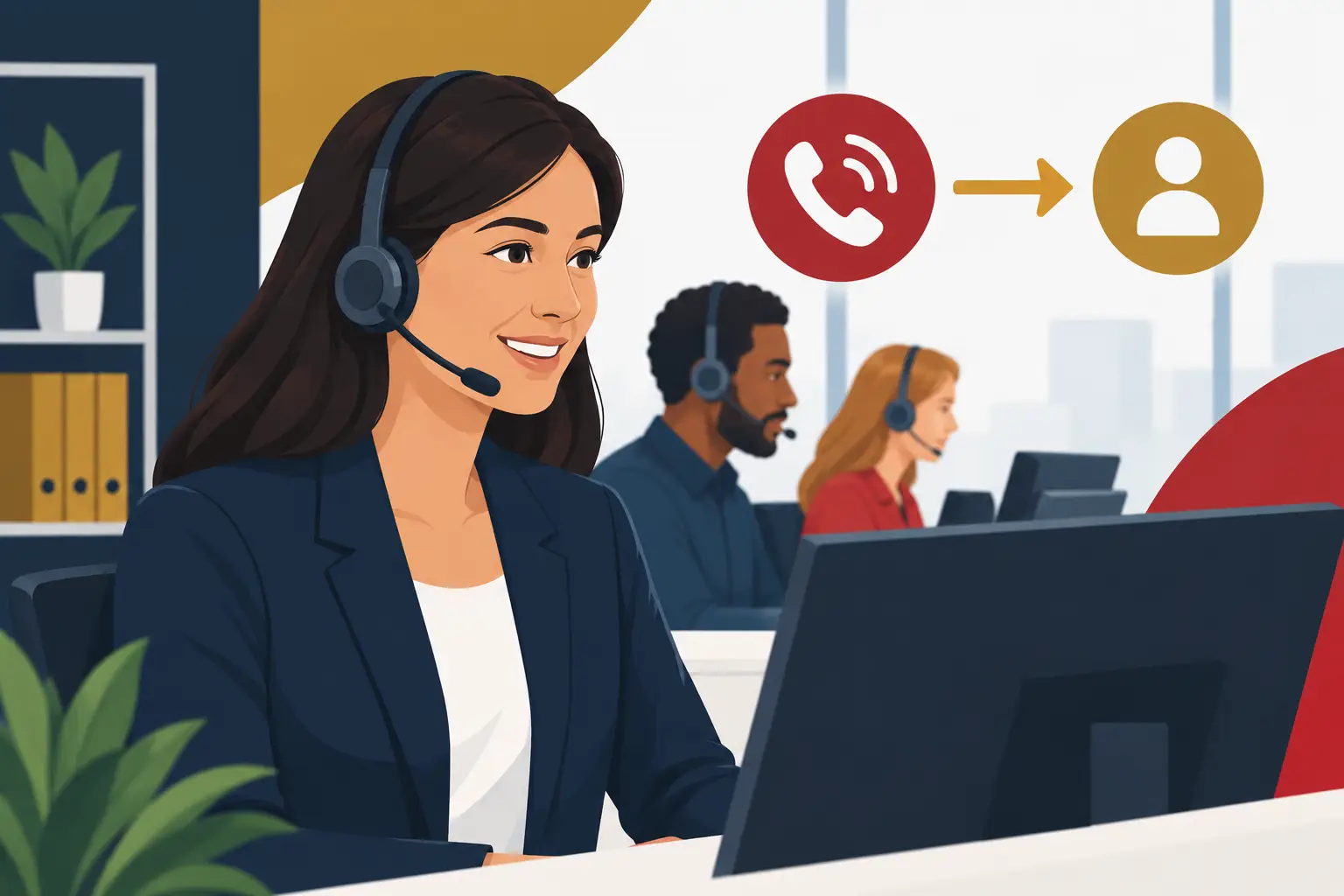
A typical workflow is simple. The call comes in, the agent answers in your business name, gathers the necessary details, and follows the agreed instruction. Depending on the call, the agent can transfer it, send a message by your preferred method, schedule an appointment, or notify an on-call contact.
The quality of the instructions makes a meaningful difference. A vague request to “take messages” can lead to vague messages. A structured intake process produces useful information your team can act on. For example, a contractor may need job type, location, timeframe, and whether the customer has an active emergency. A dental office may need the patient’s name, reason for calling, and appointment preference.
Scripts should guide conversations, not make them sound robotic. Callers want a helpful human response, especially when they are stressed or deciding whom to hire. Good agents use the script to stay accurate while communicating naturally.
Live Agents, AI, or a Hybrid Approach?
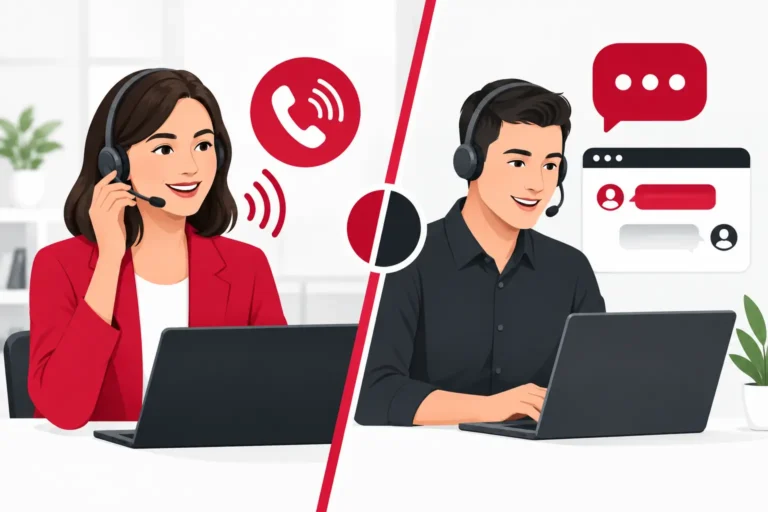
The right answer depends on call volume, the complexity of your requests, and what customers expect when they call. Live agents are particularly useful when calls involve urgency, emotional situations, detailed intake, nuanced questions, or a need for judgment within your approved procedures.
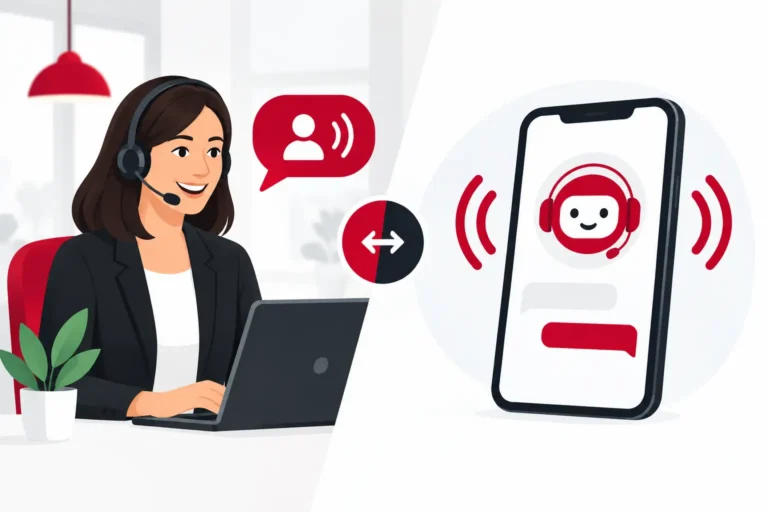
AI can help handle routine interactions quickly, such as common questions, basic information gathering, or simple routing. A hybrid AI answering service can be a practical option when speed matters and your callers still need access to a person. AI handles straightforward calls immediately, while a live agent steps in when the conversation requires human support, with the caller’s context carried forward.
This model is not about removing people from customer communication. It is about matching the response to the moment. A caller checking office hours may be well served by an instant answer. A caller with an urgent repair need or complex concern should be able to reach a trained representative without starting over.
What to Look for in an Answering Service Provider
Not every provider is suited to every business. The right partner should be able to support your operating hours, call types, escalation needs, and preferred communication channels. It should also be prepared to adjust procedures as your business changes.
Look beyond the basic promise of 24/7 coverage. Ask how agents are trained on your scripts and terminology, how urgent calls are escalated, what information is included in messages, and how quickly your team receives them. If you serve Spanish-speaking customers, bilingual English and Spanish coverage may be an important consideration.
You should also consider whether you need occasional after-hours help, daytime overflow coverage, or a dedicated agent who operates as a consistent part of your team. The best arrangement depends on your call patterns. A small office with sporadic evening calls has different needs than a multi-location business managing high-volume inquiries across several time zones.
OnCalla Solutions supports businesses nationwide with 24/7 live coverage, trained agents, bilingual options, and hybrid AI-plus-live-agent call handling designed to protect each inbound opportunity.
Make Your Call Plan Useful From Day One
Before launching service, map the calls you receive most often and decide what should happen next. Identify the information your team needs for every lead, the situations that require an urgent alert, and the people authorized to receive escalations. Include backup contacts so one unavailable employee does not create another dead end.
Review the plan after the first few weeks. You may find that callers ask a question your script does not address, that messages need an additional field, or that an escalation rule is too broad. Refinement is normal. A call-handling process should become more useful as your team sees real customer interactions.
Give your staff ownership of the handoff as well. Fast, informed follow-up is what turns a well-handled call into a stronger customer experience. When employees know where messages arrive, who handles which requests, and how quickly to respond, the answering service becomes part of a reliable operating rhythm.
Your phone line is often the front door to your business, including at times when no one is sitting at the front desk. Keep that door open with a response that makes customers feel heard and gives your team a real opportunity to help.